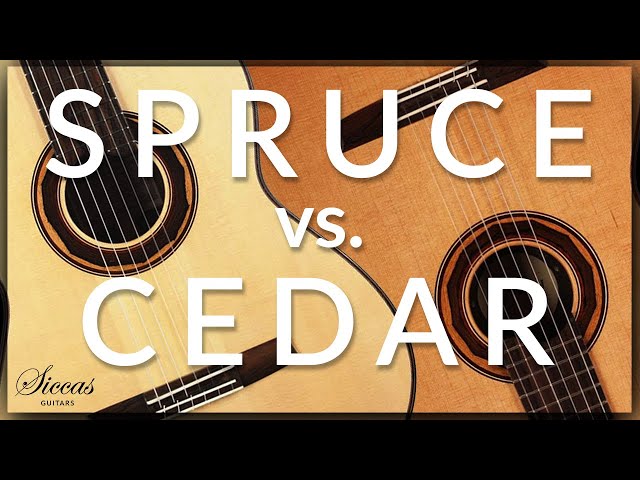

SPRUCE or CEDAR Top – Classical Guitars Tone Comparison
Spruce vs. Cedar: Tone Comparison of Classical Guitars
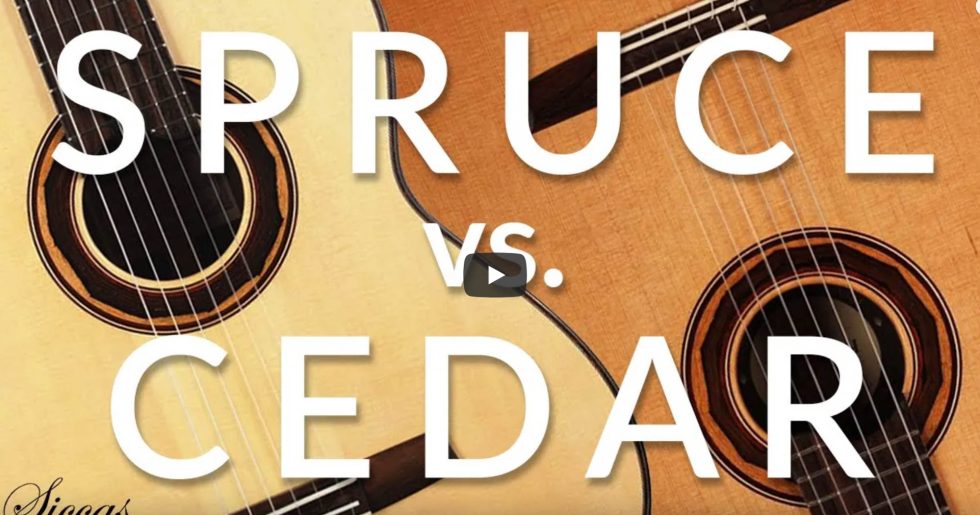
At Siccas Guitars, we strive to provide the best insights into the world of classical guitars, offering both enthusiasts and professionals a closer look at the nuances between different instruments. In one of our recent videos, we dive deep into one of the most debated topics among classical guitarists: Spruce vs. Cedar tonewoods. In this video, we compare the tonal qualities of guitars with spruce tops against those with cedar tops, helping you better understand the subtle differences that could influence your next guitar purchase.
Understanding Spruce and Cedar Tonewoods
Both spruce and cedar are widely used in classical guitar construction due to their distinctive tonal characteristics. Here's a closer look at how each type of wood impacts the sound:
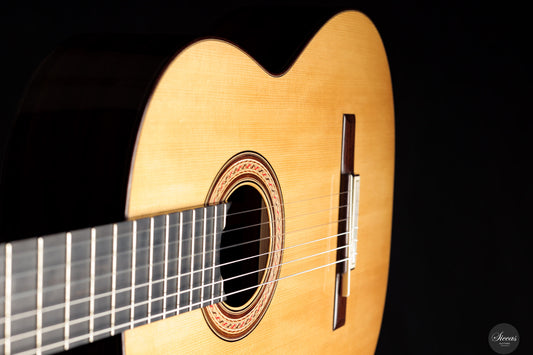
- Spruce Tops: Known for their brightness and clarity, spruce-topped guitars produce a sound that is articulate and projects well. As spruce ages, its tonal qualities evolve, developing more richness and warmth over time. Spruce is often preferred by players looking for clarity in fast, intricate passages.
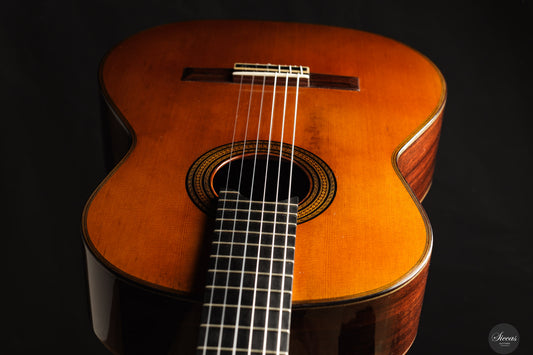
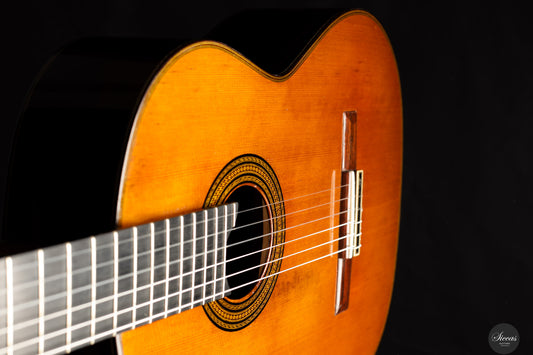
- Cedar Tops: Cedar, on the other hand, is known for its warm, rounded tones. Cedar-topped guitars are often described as having a more immediate response, producing a fuller sound without needing to "open up" over time. They tend to be the choice for players seeking expressive, rich tones in their playing.
Tone Comparison: Spruce vs. Cedar
In our video, we put both types of guitars to the test, playing similar musical pieces to highlight how each top responds to different styles of playing.
- Brightness and Projection: Spruce typically has a brighter sound, and its notes tend to stand out, especially in the higher registers. This makes it an excellent choice for concert guitarists who require projection in large halls.
- Warmth and Depth: Cedar guitars, however, tend to offer a warmer sound. The notes blend together smoothly, creating a rich, mellow tone that is particularly suited for intimate performances and recordings.
- Response Time: One of the main differences we highlighted in the video is the response time of each wood. Cedar guitars respond almost immediately to the player's touch, while spruce tops often take a bit more time to "wake up," but once they do, the projection and tonal clarity are unmatched.
Which Wood Is Right for You?
The choice between a spruce and cedar top comes down to your personal preferences and playing style. Here's a quick guide to help you decide:
-
Choose Spruce if you prefer:
- A bright, clear tone with pronounced treble.
- A guitar that evolves and matures over time.
- Enhanced projection in a large performance setting.
-
Choose Cedar if you prefer:
- A warm, immediate response with rich overtones.
- A sound that is full and mature right out of the box.
- A more intimate sound suited for expressive playing.
Watch the Full Video Comparison
To get a more in-depth understanding of the tonal differences between spruce and cedar classical guitars, we invite you to watch the full video comparison. In the video, we demonstrate how each wood responds to different playing styles and genres, helping you hear and feel the difference for yourself.
Why Siccas Guitars?
At Siccas Guitars, we offer a wide selection of both spruce and cedar-topped classical guitars, crafted by some of the world's finest luthiers. Whether you're a professional guitarist looking for your next performance guitar or a passionate player seeking to explore the nuances of these woods, our collection is tailored to meet your needs. Visit our website to explore our full range of classical guitars and find the perfect match for your playing style.