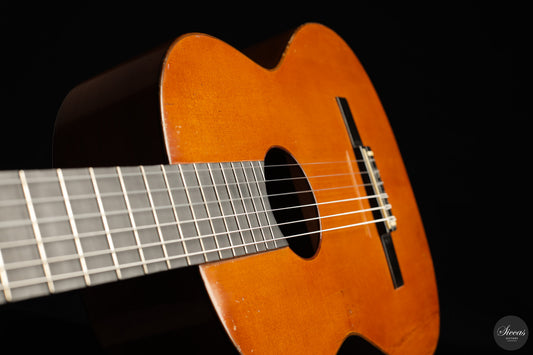
At Siccas Guitars, we are dedicated to helping classical guitarists enhance their skills with high-quality tutorials and expert guidance. In our latest video, we focus on Georg Friedrich Händel's iconic aria "Lascia Ch'io Pianga", a beautiful piece originally composed for opera but now adapted for classical guitar. With the guidance of our talented guitarist, we walk you through the nuances of playing this emotionally resonant piece on guitar.
The Legacy of Georg Friedrich Händel
Georg Friedrich Händel (1685–1759) was one of the most influential Baroque composers, renowned for his operas, oratorios, and instrumental compositions. Born in Germany but spending most of his career in England, Händel's music seamlessly blends German, Italian, and English styles, making him a versatile and beloved composer across Europe. His works, such as the "Messiah", "Water Music", and "Music for the Royal Fireworks", are still widely performed and admired today.
"Lascia Ch'io Pianga," originally from his opera "Rinaldo" (1711), has become one of Händel's most famous arias. The piece expresses deep sorrow and longing, emotions that are beautifully translatable to the classical guitar. In this tutorial, we focus on capturing the emotional depth and technical challenges of this aria in a guitar arrangement.
Learning "Lascia Ch'io Pianga" on Classical Guitar
Our tutorial breaks down the essential components of this Baroque masterpiece, helping you master it on classical guitar step by step. Whether you're a beginner or an advanced player, the tutorial provides helpful insights into technique, phrasing, and interpretation.
- Melodic Expression: One of the key aspects of playing "Lascia Ch'io Pianga" on guitar is maintaining the melodic flow while ensuring each note resonates with the emotional weight of the piece. The tutorial emphasizes using finger control and proper hand positioning to evoke the aria's sorrowful tone.
- Finger Independence: A significant part of this arrangement requires finger independence, particularly when executing the bass and melody lines simultaneously. Our guitarist demonstrates effective fingerpicking techniques to achieve clarity between the two.
- Baroque Ornamentation: Baroque music often includes intricate ornamentation such as trills and appoggiaturas. The tutorial explores how to incorporate these ornaments seamlessly into the guitar version of "Lascia Ch'io Pianga" without disrupting the flow of the piece.
- Dynamics and Tone Control: In the video, we stress the importance of dynamics—gradually increasing and decreasing volume to enhance the emotional impact of the piece. Managing the tone by altering your attack on the strings will further help convey the depth of sorrow inherent in the aria.
Why "Lascia Ch'io Pianga" is Perfect for Classical Guitar
Händel's "Lascia Ch'io Pianga" is not only one of the most beloved arias but also a fantastic choice for classical guitar due to its simple yet emotionally charged melody. This piece allows guitarists to focus on expressing emotion while honing technical skills such as fingerpicking, tone control, and dynamics. It is a wonderful addition to any repertoire, blending both technical challenge and expressive opportunity.
Georg Friedrich Händel's Enduring Impact
Händel's music remains popular centuries after his death, and his influence can still be seen across classical music genres. His compositions are celebrated for their dramatic intensity, technical intricacies, and ability to move listeners emotionally. "Lascia Ch'io Pianga" stands as one of the best examples of his work that can be translated beautifully across different instruments, including classical guitar.
If you're interested in more about Händel's life and works, it's important to note:
- Händel's early life: Born in Halle, Germany, Händel showed prodigious musical talent as a child, mastering multiple instruments. His early career included studies in Italy, where he was deeply influenced by Italian opera and church music.
- Move to England: Händel's move to England marked a turning point in his career. He became a British citizen in 1727 and composed some of his greatest works, such as the Messiah (1741) and Rinaldo (1711).
- Opera and Oratorio: Händel was a pioneer in the development of English oratorio, with The Messiah being his most famous oratorio, still performed today during Christmas and Easter.
- Legacy: Händel's music is known for its grandeur, often commissioned for royal events and ceremonies, and continues to be celebrated at international festivals dedicated to his work.
Watch the Full Tutorial on Siccas Guitars
For a more detailed breakdown of how to play "Lascia Ch'io Pianga" on classical guitar, watch the full tutorial. Our guitarist walks you through every section, offering tips and advice to help you master this beautiful piece. Whether you are just starting out or are an experienced guitarist, this tutorial will help you bring Händel's timeless music to life.