
In the world of classical guitar, few names resonate as profoundly as Julian Bream. His influence on classical guitar and lute music is undeniable, with a career that spanned more than 50 years and included significant contributions to both performance and repertoire. The 2003 documentary Julian Bream: My Life in Music, directed by Paul Balmer, captures the essence of Bream’s career and his groundbreaking contributions to music. This article explores the documentary’s highlights, its cultural significance, and why it remains an essential watch for guitarists and classical music fans.
Who Was Julian Bream?
Julian Bream (25 July 1933 – 14 August 2020) was a British classical guitarist and lutenist whose innovative approach to these instruments elevated them to new levels of artistic and popular appeal. Born in London, Bream was captivated by classical music from an early age, influenced by his father’s jazz guitar playing. He went on to study with Andrés Segovia, the towering figure who had done more than anyone else to establish the classical guitar as a serious concert instrument — and Bream would prove a worthy heir to that tradition.
Bream’s unique playing style, technical precision, and ability to express emotion through the guitar set him apart from other musicians of his time. He expanded the classical guitar repertoire, inspiring composers to write pieces specifically for him, and revived the lute as a concert instrument, interpreting works by Renaissance and Baroque composers for modern audiences. To read more about the guitarists who shaped the instrument’s history, visit our overview of great classical guitarists.
The Guitars Julian Bream Played
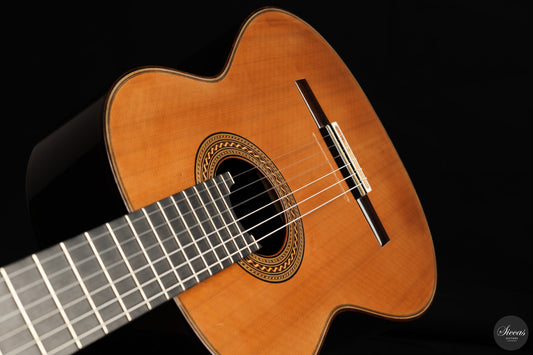
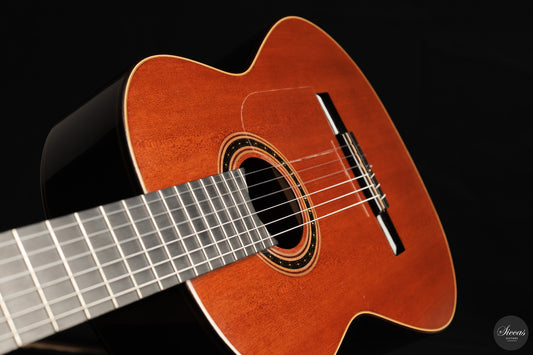
An important dimension of Bream’s artistry was his deep engagement with instrument makers. He played guitars built by José Luis Romanillos, a Spanish-born luthier who settled in England and whose instruments became closely associated with Bream’s distinctive tone. Romanillos built several guitars specifically for Bream, and the partnership between the two men helped define the sound that generations of listeners came to associate with Bream’s recordings. Bream also played an Ignacio Fleta guitar, another instrument of exceptional quality from one of the great Spanish workshops.
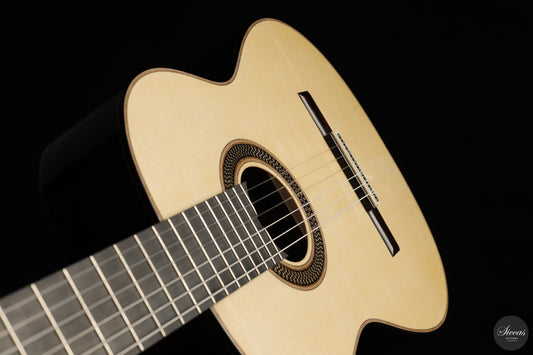
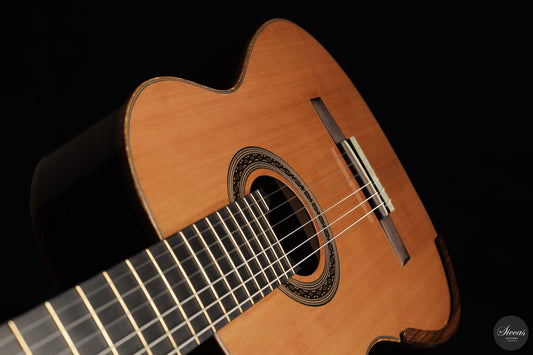
The choice of instrument was never incidental for Bream. He was acutely sensitive to the tonal qualities of each guitar and sought instruments capable of the full dynamic and timbral range his interpretations demanded. For those interested in the relationship between guitar construction and sound, our comparison of spruce vs cedar classical guitars explores the tonal differences at the heart of luthiery. You can explore our range of classical guitars to see the instruments available today.
Julian Bream: My Life in Music – Overview of the Documentary
Directed by Paul Balmer and produced in 2003, Julian Bream: My Life in Music offers viewers an intimate look at Bream’s life and musical journey. The documentary skillfully combines interviews, performance footage, and reflections from Bream himself, painting a portrait of his dedication, creativity, and passion for music.
The documentary is divided into several thematic sections:
Early Influences and Training
Bream discusses his childhood, his influences, and how he began teaching himself guitar. This section highlights the early challenges he faced — the lack of formal guitar instruction in Britain was a real obstacle — and the inspiring support from his father. His later studies with Andrés Segovia gave him a direct link to the great tradition of Spanish guitar playing. For more on Segovia’s own legacy, read our dedicated article on Andrés Segovia.
Breaking New Ground in Classical Guitar
One of the most compelling aspects of Bream’s career was his dedication to expanding the guitar repertoire. He commissioned and premiered works from some of the most significant composers of the 20th century: Benjamin Britten, William Walton, Hans Werner Henze, Michael Tippett, and Peter Maxwell Davies all wrote for him. These commissions were not vanity projects — they resulted in pieces that have entered the permanent repertoire of the classical guitar and are performed worldwide to this day.
Reintroduction of the Lute
Bream’s passion for early music led him to study and perform the lute. He is credited with rekindling widespread interest in the instrument and was a founding member of the Julian Bream Consort, one of the first ensembles to perform early music on period instruments. His recordings of Renaissance and Baroque lute music introduced this repertoire to audiences far beyond the specialist early music world.
Insights into Technique and Interpretation
The documentary includes Bream’s thoughts on technique, expression, and interpretation, giving viewers a rare look into his approach to music-making. He also reflects on the physical demands of guitar playing and the dedication required to master the instrument. Bream retired from concert life in 2002 following a hand injury — a reminder of how precarious a professional guitarist’s career can be.
Reflections on Legacy and Impact
As the documentary concludes, Bream speaks candidly about his legacy, expressing hope that he has inspired new generations to approach guitar music with passion and respect.
Honours and Recognition
The scale of Julian Bream’s achievement was recognised by the highest institutions. He was awarded a CBE in 1985 for his services to music. He received a Grammy Award for his recordings. In 2019, just a year before his death, he was awarded the Royal Musical Association Gold Medal — one of the most prestigious honours in British musical life. These awards reflect not merely personal achievement but a career-long commitment to raising the status of the guitar and lute as serious instruments in the concert hall.
Key Takeaways from the Documentary
Julian Bream: My Life in Music serves not only as a documentary but also as a masterclass in classical guitar artistry. Here are some of its most memorable and instructive aspects:
An Unfiltered Look at Bream’s Passion for Music
Throughout the film, Bream’s intense passion for music shines through. His dedication to both classical guitar and the lute, as well as his commitment to introducing audiences to lesser-known works, illustrates his lifelong mission to elevate and enrich the guitar world.
A Focus on Expanding the Classical Guitar Repertoire
One of Bream’s defining contributions was his insistence on expanding the repertoire for classical guitar. The documentary captures the evolution of his career as he works with some of the 20th century’s greatest composers. Bream’s performances of these new works not only established him as a pioneering artist but also inspired countless other guitarists to explore contemporary music. This spirit of repertoire-building connects directly to the broader history explored in our article on famous classical guitar pieces.
Bream’s Impact on Guitar Technique and Expression
Bream was known for his distinctive, highly expressive playing style, which combined technical brilliance with emotional depth. He shares insights into his playing techniques in the documentary, emphasising the importance of tone, articulation, and expressive dynamics in bringing music to life. This is valuable for any guitarist aiming to develop a personal, nuanced sound.
His Reverence for the Lute and Early Music
Bream’s contributions to the revival of the lute are given special attention in the film. His meticulous approach to interpreting Renaissance and Baroque music on the lute inspired a renewed appreciation for the instrument and influenced a generation of early music performers.
Reflections on the Challenges and Rewards of a Musical Life
As Bream reflects on his career, the documentary conveys both the rewards and challenges of his musical journey. His perseverance, dedication to practice, and pursuit of artistic integrity offer inspiration to musicians facing the demands of professional music.
Why This Documentary is Essential Viewing for Guitar Enthusiasts
Julian Bream: My Life in Music stands as a critical resource for understanding the evolution of classical guitar and lute performance in the 20th century. For classical guitarists and music enthusiasts, this documentary is more than a biography — it is a visual guide to the artistry and dedication that made Bream a legend.
Aspiring guitarists can learn much from Bream’s interpretive approach, as he discusses his choices in phrasing, tone colour, and rhythm. His insights offer valuable lessons for performers seeking to deepen their interpretive skills. His career also serves as a reminder of the importance of innovation and collaboration: his work with composers demonstrates the potential for classical guitarists to contribute to contemporary music and shape the evolution of their instrument.
For those looking to understand what is possible on the classical guitar at the highest level, articles on Julian Bream and peers such as David Russell and Ana Vidovic offer further context from the world of concert guitar.
Julian Bream’s Legacy in the Guitar World
The legacy of Julian Bream remains vibrant, inspiring a new generation of classical guitarists and lutenists. His efforts to expand the classical guitar repertoire, promote early music, and set high standards of performance have left an indelible mark on music history. He brought the guitar into the concert hall alongside piano and violin — and kept it there.
Bream’s collaborations with composers, his expressive playing, and his pioneering work with the lute have influenced a generation of musicians. His recordings, performances, and this documentary continue to inspire students and professionals alike to pursue technical excellence and creativity in their craft.
Where to Watch Julian Bream: My Life in Music
Though the documentary was released in 2003, it continues to be available on select streaming platforms and in DVD collections dedicated to classical music. Many classical guitar forums and specialist music retailers also offer guidance on where to access this essential film. For those serious about classical guitar, adding Julian Bream: My Life in Music to your collection is highly recommended.
Final Thoughts
Julian Bream: My Life in Music is a profound tribute to a musician whose life and career transformed the classical guitar world. For those who have ever been captivated by the sound of the guitar or the depth of a great musical performance, this documentary is a must-watch. It celebrates not only Bream’s contributions but also the timeless artistry and devotion that characterise the world’s finest musicians.
Whether you are a classical guitarist, a lover of music history, or simply an admirer of great artistry, Julian Bream: My Life in Music provides an intimate, inspirational look at one of music’s true legends. To explore the instruments that shaped the sound of the classical guitar tradition, browse our collection of classical guitars.