
Mastering Fast Scales on Classical Guitar: Svetoslav Kostov’s Expert Tips
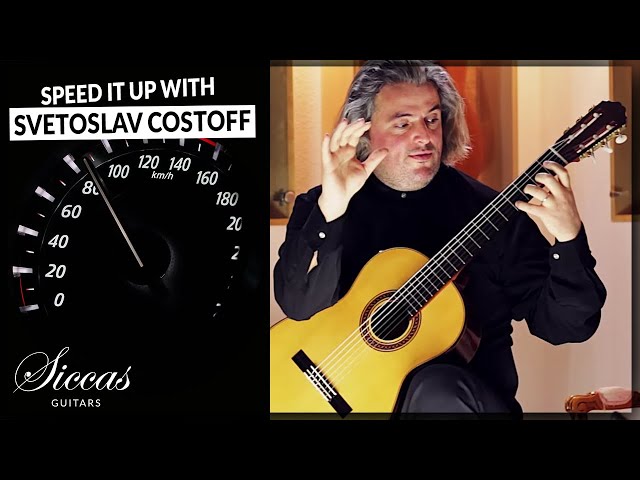
Classical guitar tutorial with Svetoslav Costoff – Speed it up – How to play fast scales
Speed and precision are essential for classical guitarists, especially when it comes to playing fast scales. In this tutorial, Svetoslav Kostov dives into the techniques and theory behind playing fast scales on the classical guitar, offering valuable insights into why this skill is crucial for guitar players.
Whether you're looking to build speed or improve accuracy, Svetoslav's practical advice will guide you toward mastering fast scales and incorporating them into your playing.
Why Fast Scales Are Important for Guitarists
While other musicians, like pianists, might not focus as much on playing fast scales, this skill holds a unique importance for classical guitarists. As Svetoslav explains, fast scales help guitarists develop finger dexterity, coordination, and control, all of which are essential for playing complex pieces at high speed.
In classical guitar, mastering fast scales improves overall performance and allows players to handle more technically demanding compositions. These scales not only contribute to technical proficiency but also enhance the musicality and fluidity of your playing.
Technique for Speeding Up Scales
Svetoslav shares his personal technique for building speed and control when playing scales. Here are the key steps he outlines in the tutorial:
- Start Slow and Build Gradually Speeding up scales is a gradual process. Svetoslav advises beginning at a slow, comfortable pace to ensure that each note is played cleanly and evenly. By focusing on precision first, guitarists can gradually increase their speed without sacrificing clarity.
- Use a Metronome One of the best tools for developing speed is the metronome. Svetoslav emphasizes the importance of practicing with a metronome to ensure that your tempo remains consistent. Start at a slower tempo and gradually increase the speed in small increments as you become more comfortable with the scale.
- Finger Independence and Coordination Building finger independence is key to playing fast scales. Svetoslav recommends focusing on exercises that strengthen each finger individually. This not only enhances speed but also improves coordination between the left and right hands, making it easier to maintain accuracy when playing at higher tempos.
- Right-Hand Technique When it comes to speed, right-hand technique is just as important as left-hand dexterity. Svetoslav advises using alternate picking and focusing on minimizing the movement of your right hand to increase efficiency. Keeping the hand close to the strings allows for faster transitions between notes, making it easier to build speed over time.
Incorporating Fast Scales into Your Practice Routine
Svetoslav encourages guitarists to integrate fast scales into their daily practice routine. While speed is important, it's crucial to maintain control and accuracy, so make sure that your scales remain clean and even as you increase the tempo.
Practicing scales regularly not only helps build speed but also improves muscle memory and strengthens your overall technique. By dedicating time to scale practice, you'll be able to tackle more challenging pieces with confidence and fluidity.
Key Takeaways from Svetoslav's Tutorial
- Start Slow: Begin your practice at a slow pace to ensure accuracy and control before increasing speed.
- Use a Metronome: Gradually increase the tempo using a metronome to maintain consistent rhythm as you build speed.
- Focus on Finger Independence: Strengthen each finger individually to enhance coordination and dexterity.
- Refine Right-Hand Technique: Use alternate picking and minimize movement to increase efficiency and speed.
Conclusion
Playing fast scales on classical guitar is an essential skill that requires patience and precision. Svetoslav Kostov's expert advice on building speed and control through slow practice, finger independence, and right-hand technique will help you master this challenging aspect of classical guitar playing.
By incorporating fast scale practice into your routine and following Svetoslav's guidance, you'll see improvements not only in speed but also in your overall technique and musicality. Stay tuned for more tutorials from Svetoslav as he continues to share his expertise on mastering classical guitar.