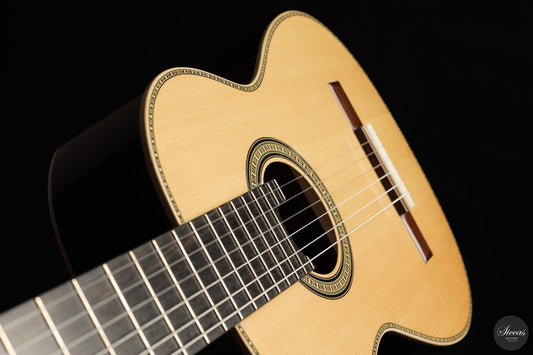
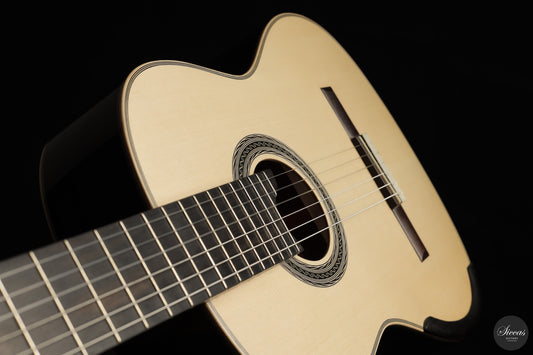
The Classical Guitar
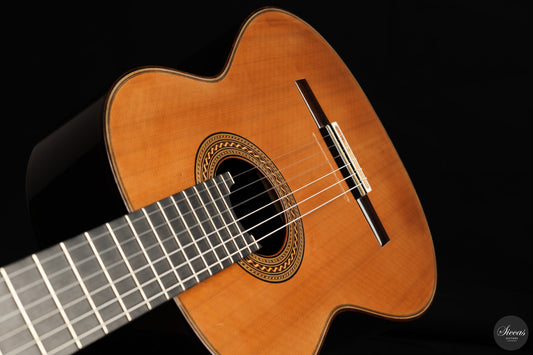
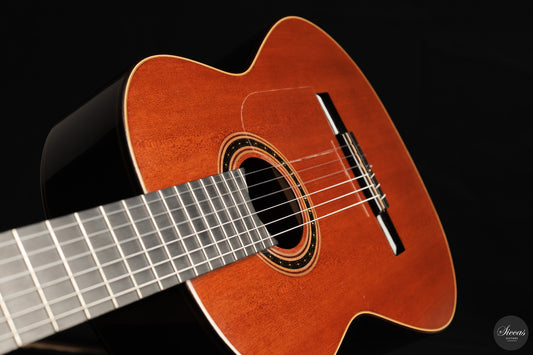
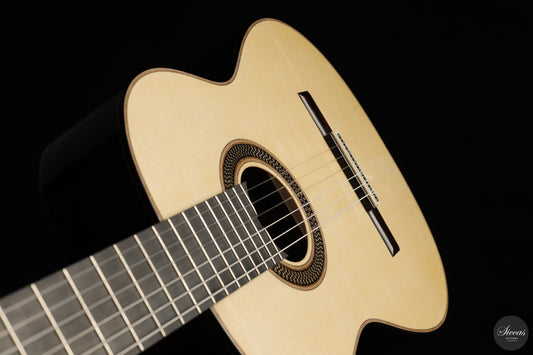
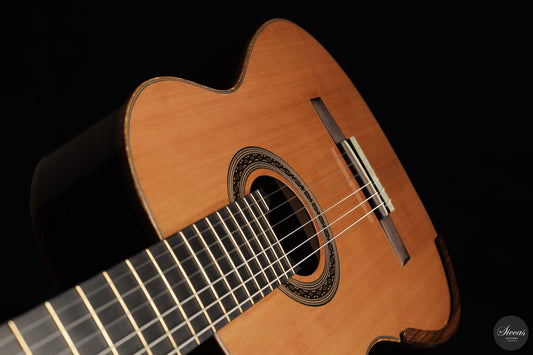
The classical guitar is older than the modern acoustic guitar, and its defining feature is the use of nylon strings. These strings give the instrument its instantly recognizable sound and create a tone unlike any other plucked instrument.
Classical guitars are built from a variety of tonewoods and suit players of many styles. They are often an affordable choice for beginners, with softer nylon strings that feel gentler than steel strings. Professional players also find premium models with refined craftsmanship and visual detail. Used by fingerpickers and strummers alike, the classical guitar has appeared on countless recordings across genres.
At Siccas Guitars, one of the largest selections of classical guitars in Europe is available. Whether for a young beginner or an advanced player searching for a special instrument, the right guitar can be found for every need.
What Makes a Classical Guitar a Classical Guitar?
At its core, a classical guitar is defined by nylon strings, a fan-braced spruce or cedar top, a wide fingerboard, and a body built without the metal reinforcement found in steel-string instruments. These construction principles have remained remarkably stable since the 19th century, when Spanish luthier Antonio de Torres Jurado established the form that most modern classical guitars still follow.
The combination of a lightweight top, fan bracing, and nylon strings produces the warm, articulate tone that makes the classical guitar indispensable for the great classical guitar repertoire — from Bach to Villa-Lobos to Tárrega.
Classical Guitar vs. Acoustic Guitar: Key Differences
The terms "acoustic guitar" and "classical guitar" are often used interchangeably, but they describe quite different instruments. Understanding those differences matters whether you are choosing your first guitar or expanding your collection. For a full breakdown, see our dedicated article on acoustic vs. classical guitar.
Strings
The most fundamental difference lies in the strings. Classical guitars use nylon strings — originally made from gut — while acoustic guitars use steel strings. This single difference cascades into almost every other aspect of the instrument: sound, feel, construction, and required technique.
Nylon strings produce a warmer, rounder tone with a softer attack. Steel strings produce a brighter, louder sound with more sustain. Neither is objectively better; they serve different musical purposes.
Neck and Fingerboard
Classical guitars have a wider neck, typically around 52 mm at the nut, compared to roughly 43–44 mm on a standard steel-string acoustic. This wider spacing supports the right-hand fingerstyle technique central to classical playing, where the thumb and fingers must operate independently across bass and treble strings simultaneously.
Classical guitar necks do not contain a truss rod, the metal reinforcement found in steel-string instruments. The lower tension of nylon strings makes this unnecessary under normal conditions.
Body Construction
Classical guitar bodies tend to be shallower and lighter than steel-string dreadnoughts or jumbos. The bracing under the top — most commonly a fan pattern developed by Torres — is designed to be as light as possible while maintaining structural integrity. This lightweight construction allows the top to vibrate freely and contributes to the instrument's characteristic projection and dynamics.
Can You Play Acoustic Repertoire on a Classical Guitar?
Yes. Both instruments share six strings in standard tuning, so acoustic or folk repertoire can be played on a classical guitar. The tone will differ — nylon strings produce a softer, warmer result — which some players prefer for certain styles. The reverse is not simply a matter of preference: steel strings must never be fitted to a classical guitar, as the additional tension can permanently damage the neck and top.
Types of Classical Guitars
The classical guitar is not a single instrument but a family, with distinct types suited to different players and musical contexts.
Traditional Classical Guitar
The traditional classical guitar uses a solid spruce or cedar top with fan bracing and solid tonewoods for the back and sides — typically rosewood, cypress, maple, or similar. This construction has been refined over nearly two centuries and remains the standard for both student and professional instruments. Top luthiers such as José Ramírez, Hermann Hauser I, and Daniel Friederich built their reputations on this form.
Within traditional construction, the choice of top wood significantly shapes the instrument's character. Spruce tops tend toward brightness and clarity with a wide dynamic range; cedar tops offer warmth and faster response, often favored for early music and intimate repertoire.
Double-Top Classical Guitar
The double-top guitar uses a sandwich construction for the soundboard: two thin layers of wood — typically cedar or spruce — enclosing a core of Nomex honeycomb material. This approach, developed by luthiers including Gernot Wagner and Matthias Dammann in the 1990s, produces a top that is significantly lighter than a standard solid top while retaining rigidity.
The acoustic result is notable: double-top guitars tend to project more easily, respond quickly at all dynamic levels, and produce a clear, present tone with strong fundamental. They have become popular with professional concert players who require projection in larger hall settings. Browse the double-top guitar collection at Siccas Guitars for a representative selection.
Lattice Bracing
Lattice-braced classical guitars replace the traditional fan bracing with a grid pattern, often combined with composite materials such as carbon fiber in the top itself. Pioneered by Australian luthier Greg Smallman in the 1980s — in collaboration with guitarist John Williams — lattice construction produces instruments with exceptional volume and sustain. The sound profile differs from fan-braced instruments, with a more even response across the frequency range and a distinctive sustain that some players find ideal for large concert venues.
Flamenco Guitar
The flamenco guitar is closely related to the classical guitar but optimized for a different musical tradition. Flamenco models typically use cypress back and sides rather than rosewood, producing a brighter, more percussive tone with faster decay — qualities suited to flamenco's rhythmic, percussive style. The action is set lower, and most flamenco guitars include a golpeador (tap plate) on the soundboard to protect against the rhythmic tapping central to flamenco technique. Explore the flamenco guitar collection for instruments built specifically to these specifications.
Choosing the Right Classical Guitar
Selecting a classical guitar depends on your level, musical goals, and budget. Here are the most important factors to consider.
Top Wood: Spruce or Cedar?
For most players, the choice between a spruce top and a cedar top is the first meaningful decision. Spruce rewards a confident, developed touch and opens up tonally over years of playing. Cedar responds more immediately and suits players who prefer a warmer, more intimate sound from the start. Neither is universally superior — it depends on your repertoire and playing style.
Construction Level
Student instruments often use laminate back and sides, which reduces cost and increases durability. Professional instruments use all-solid tonewoods throughout. For serious players, a fully solid instrument is worth the investment: solid wood responds to playing and improves over time in ways that laminate cannot replicate.
Scale Length
Standard classical guitars have a scale length of 650 mm. Smaller 630 mm or 640 mm models exist for players with smaller hands or for younger students. The scale length affects string tension and reach between frets, so it is worth considering if you find a standard instrument uncomfortable.
Who Plays Classical Guitar?
The classical guitar has been shaped by a lineage of great players. Andrés Segovia established the guitar as a serious concert instrument in the 20th century, and his legacy continues through players like Julian Bream, David Russell, and Ana Vidovic. Reading about these artists and listening to their recordings is one of the best ways to understand what different instruments and techniques can achieve.
Frequently Asked Questions
What is the difference between an acoustic and a classical guitar?
The main difference lies in the strings: classical guitars use nylon, while acoustic guitars use steel. This affects both sound and feel. Classical guitars also do not require a truss rod inside the neck. Their fingerboards are usually wider, and the construction is lighter overall.
Can you play a classical guitar like an acoustic guitar?
Yes. Since both instruments have six strings and share standard tuning, acoustic repertoire can be played on a classical guitar. The result will sound different because of the nylon strings, which many players prefer for fingerstyle music.
Can you use steel strings on a classical guitar?
No. Steel strings must not be used on a classical guitar. Without a truss rod to handle higher tension, steel strings can cause permanent damage to the neck and structure of the instrument.
Are all nylon-string guitars classical guitars?
The use of nylon strings is characteristic of classical guitars and shapes their tone and response. Some nylon-string instruments include electronic features for amplification or hybrid neck profiles, yet they are generally still considered part of the classical guitar family.
How long does it take to learn classical guitar?
This depends entirely on your goals and how much you practice. Our article on how long it takes to learn classical guitar covers realistic timelines for different skill levels.