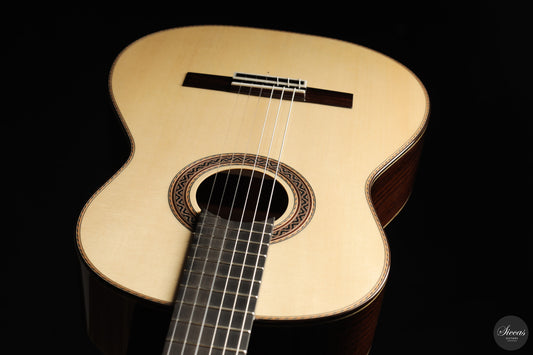

At Siccas Guitars, we are dedicated to bringing our audience closer to the world of classical guitars by offering insights from industry experts. In our latest podcast, we invited Philipp Neumann, a renowned German luthier, to share his expertise and passion for guitar making. In this exclusive interview, Philipp dives into the intricate art of handcrafting guitars, offering valuable insights into the processes, materials, and philosophies that make each guitar a unique masterpiece.
Who is Philipp Neumann?
Philipp Neumann is a master luthier based in Germany with years of experience in creating world-class guitars. His dedication to perfection, combined with his deep understanding of woodcraft and sound dynamics, has made him one of the most respected names in the field. In the podcast, Philipp talks about his journey into guitar making, the challenges he faces, and the evolution of guitar craftsmanship over the years.
Germany has a long and distinguished tradition in instrument making, and Philipp Neumann carries that heritage forward through meticulous handwork and an unwavering commitment to tonal quality. His instruments are sought after by professional concert guitarists and serious collectors alike — a testament to the level of refinement he brings to every build.
Key Highlights from the Interview with Philipp Neumann
In this insightful discussion, Philipp Neumann covers a range of topics that are both fascinating and educational for guitar enthusiasts and budding luthiers. Here are some of the key points we explored during the interview:
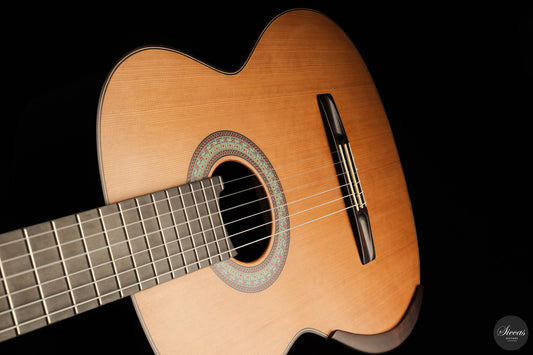
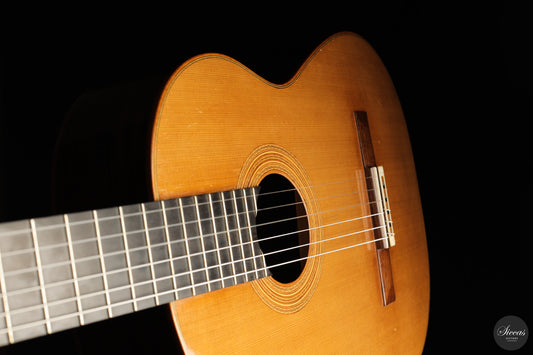
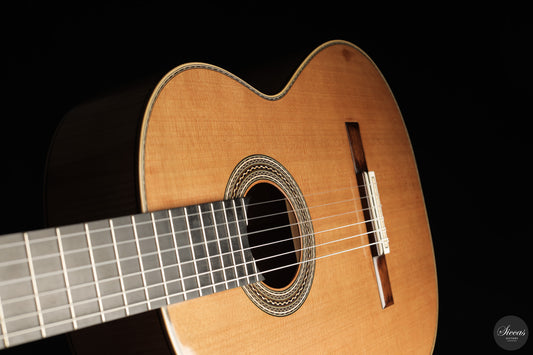
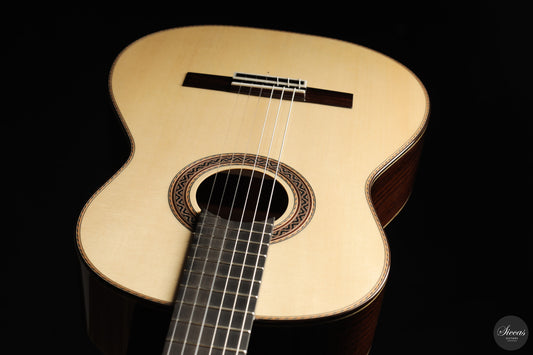
- The Importance of Wood Selection Philipp emphasizes the critical role that wood selection plays in shaping the tone and resonance of a guitar. He delves into the different types of wood, such as cedar, spruce, and rosewood, and explains how each wood type contributes to the unique sound profile of a guitar. For instance, cedar tops provide a warm, rich sound, while spruce tops offer brightness and clarity.
- Building Process: From Raw Material to Masterpiece Philipp takes us through the step-by-step process of creating a classical guitar, starting with the selection of raw materials, the crafting of the body, and the assembly of the instrument. He explains the intricate balancing act of combining precision, artistry, and patience, as well as the importance of maintaining traditional craftsmanship while incorporating modern techniques.
- The Art of Sound Optimization One of the standout moments in the interview is when Philipp explains how he fine-tunes each guitar to optimize its sound. From adjusting the thickness of the wood to determining the right bracing patterns, every decision impacts the final sound of the instrument. Philipp emphasizes that every guitar is unique, and his goal as a luthier is to bring out the best possible tone in every instrument he builds.
- Challenges in Modern Guitar Making Philipp also addresses some of the challenges luthiers face today, including the availability of high-quality wood due to environmental concerns and how luthiers are adapting to these limitations. He shares his thoughts on the importance of sustainability in guitar making, advocating for responsible sourcing and usage of natural materials.
- Advice for Aspiring Luthiers Towards the end of the interview, Philipp offers valuable advice for those interested in becoming luthiers. He highlights the importance of dedication, continuous learning, and hands-on experience. According to Philipp, success in this field requires passion for both the craft and the music.
Watch the Podcast
Whether you're a classical guitar player, a luthier in training, or simply a guitar enthusiast, this podcast offers a wealth of knowledge about the art of guitar making. Philipp Neumann's deep insights into the craft will inspire you to appreciate the effort and skill involved in building a high-quality guitar. The interview not only highlights the technical aspects of guitar making but also dives into the philosophy and art behind creating instruments that resonate with players worldwide.
The Luthier's Craft in Context
Understanding what goes into building a concert-level classical guitar deepens your appreciation for every instrument you play or hear. The choices a luthier like Philipp Neumann makes — from the selection of tonewoods to the geometry of the bracing — directly shape the sonic character that a performer relies on to convey music by masters such as Bach, Tárrega, or Barrios.
The debate between spruce and cedar as top woods is one that every serious guitarist eventually encounters. Philipp's perspective on this question, drawn from years of hands-on building experience, offers a grounded and practical view that goes well beyond the generalizations often found online. Where spruce tends to reward a more projecting, assertive right-hand technique, cedar responds readily to a lighter touch — a distinction that matters enormously when interpreting pieces like Recuerdos de la Alhambra or La Catedral.
For those looking to explore the broader history of the instrument that luthiers like Philipp dedicate their lives to perfecting, our article on the history of the classical guitar provides essential background. And if you are curious about the repertoire that drives demand for top-tier concert instruments, our overview of famous classical guitar pieces is an excellent companion read.
At Siccas Guitars, we work directly with a curated selection of master luthiers whose instruments you can explore in our classical guitars collection. Whether you are a performing artist seeking your next concert guitar or a collector building a meaningful instrument library, conversations like this one with Philipp Neumann illuminate exactly why handmade instruments occupy an irreplaceable place in the world of classical music.