

Daniel Friederich
Daniel Friederich (1932–2022) built fewer than 25 guitars a year for six decades — each one to order, each one for a concert professional. His instruments are instantly recognisable: exceptional voice separation, powerful projection, and a precision of response that rewards technique and punishes imprecision. When a Friederich comes to market, serious players and collectors pay attention.
-
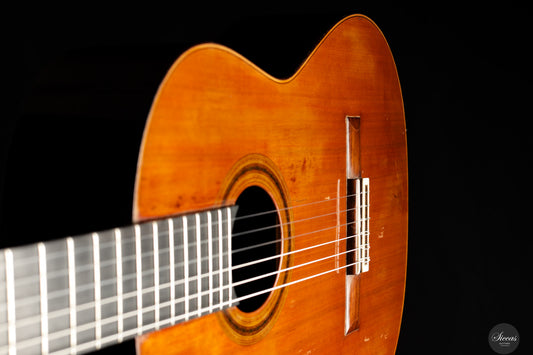
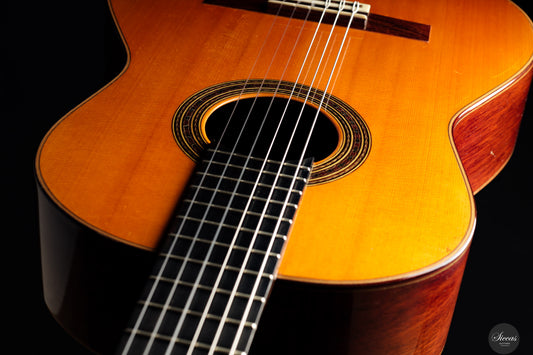
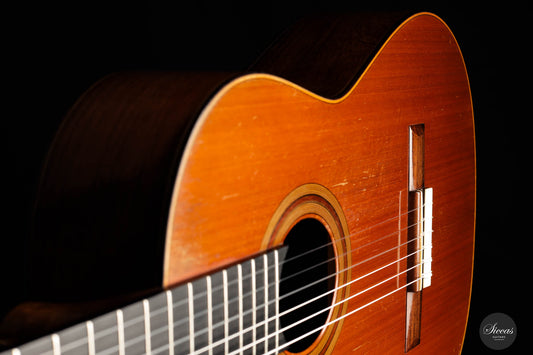
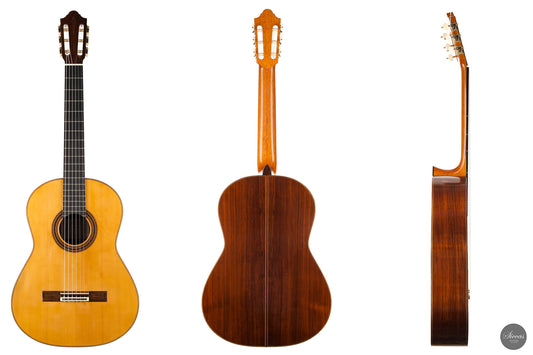
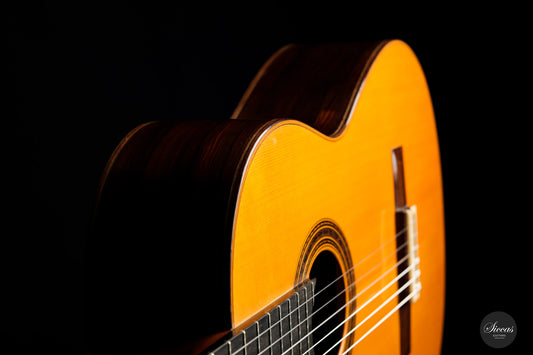
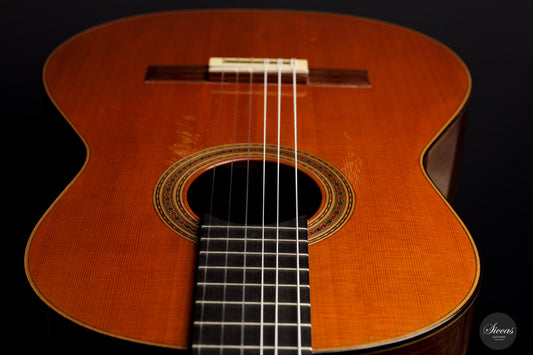
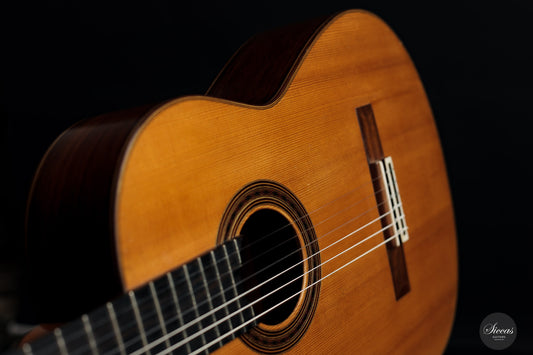
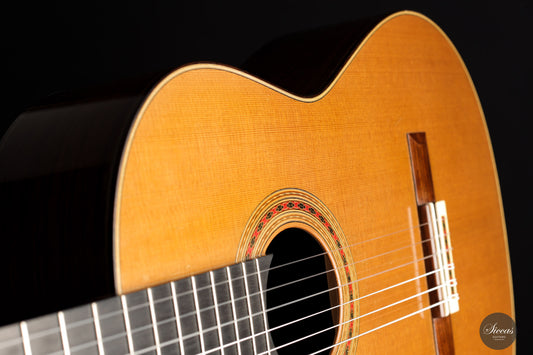
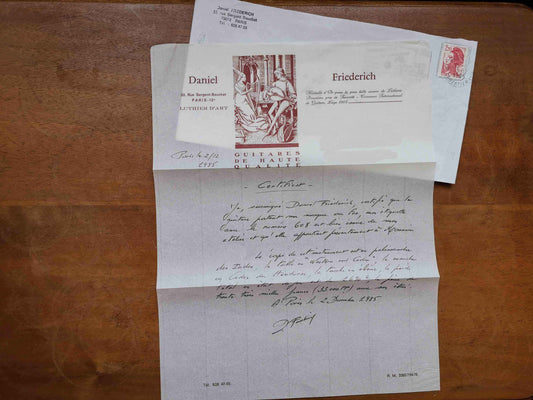
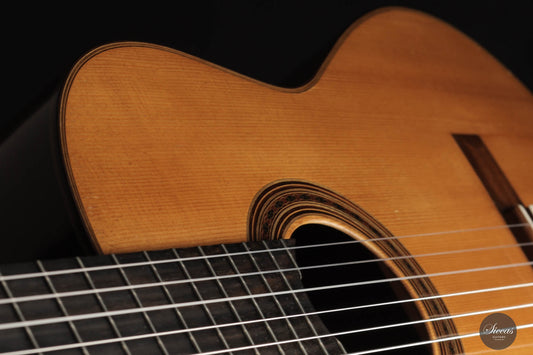
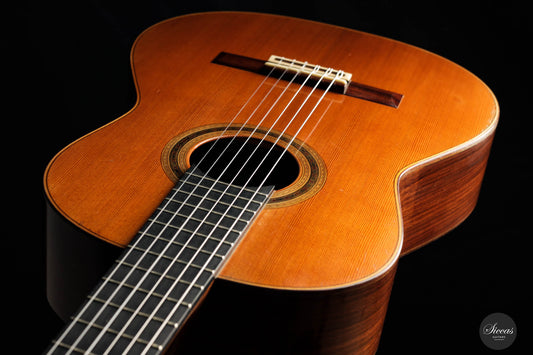
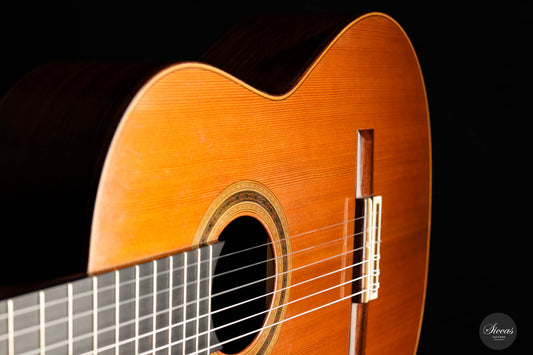
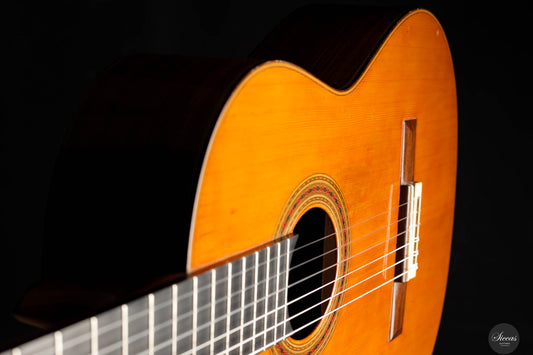
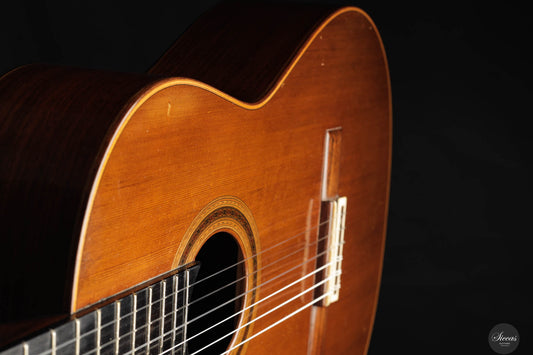
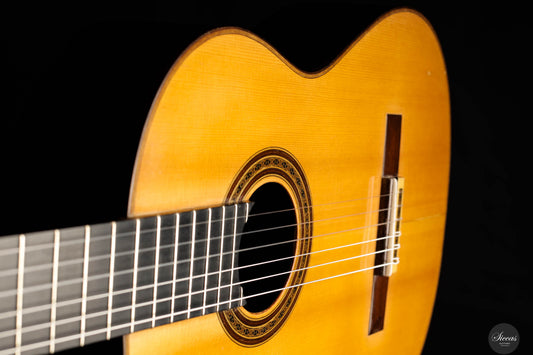
Daniel Friederich - 1974 No. 394
Price on requestSoldLuthier: Daniel FriederichConstruction Type: Traditional -
Luthier: Daniel Friederich
-
Luthier: Daniel FriederichLuthier: Seltene Gitarren
-
Luthier: Daniel Friederich
-
Luthier: Daniel FriederichLuthier: Rare Guitars
-
Luthier: Daniel Friederich
-
Luthier: Daniel Friederich
-
Luthier: Daniel Friederich
-
Luthier: Daniel Friederich
-
Luthier: Daniel Friederich
-
Luthier: Daniel Friederich
-
Luthier: Daniel Friederich
-
Luthier: Daniel FriederichLuthier: Rare Guitars
-
Luthier: Daniel Friederich
-
Luthier: Daniel FriederichLuthier: Seltene Gitarren
-
Luthier: Daniel FriederichLuthier: Seltene Gitarren
-
Luthier: Daniel Friederich
-
Luthier: Daniel Friederich
-
Luthier: Daniel FriederichLuthier: Seltene Gitarren
-
Luthier: Daniel Friederich













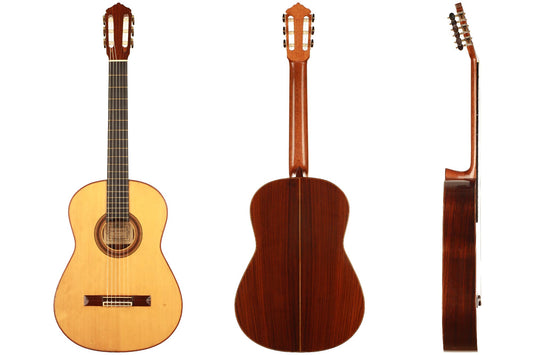

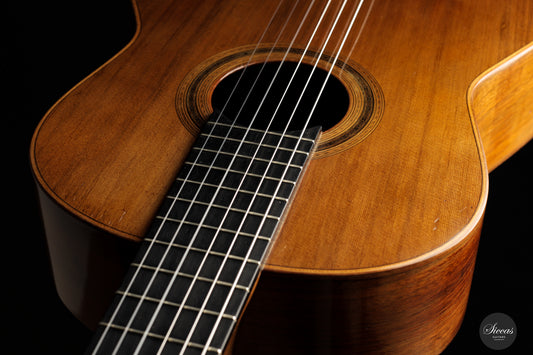

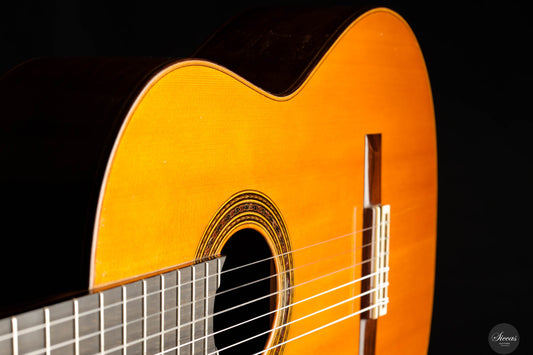

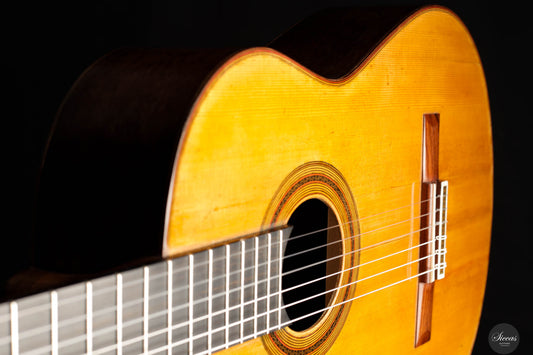



Ask us - right here.
Enrico, our AI team member, replies around the clock.
Instant reply · free · no obligation Rather use WhatsApp
Frequently Asked Questions About Classical Guitars
How do I choose the right classical guitar for my level?
Choosing the right classical guitar depends on your playing level, musical goals, and budget. Beginners benefit from studio-model guitars from renowned workshops, while advanced players and professionals often choose a handmade master guitar. We are happy to advise you personally and can send detailed sound samples and videos on request.
What is the difference between a master guitar and a studio guitar?
Master guitars are built entirely by hand in the workshop of a single luthier, using only high-quality, well-aged tonewoods. Studio guitars are made in small series, often under the supervision of the master luthier, and offer excellent value for students and ambitious amateur players.
Can I try a classical guitar at home for 14 days?
Yes — every guitar you purchase from us comes with a 14-day home approval period. This complimentary trial applies worldwide to all orders, whether you are in Germany, Europe, the USA, Asia or anywhere else. We ship your instrument fully insured in a high-quality case so you can play it under your own acoustic conditions. If the guitar is not the right one for you, simply send it back and receive a full refund of the purchase price.
Can I try a classical guitar before purchasing?
Absolutely. You are warmly invited to visit our showroom in Karlsruhe, Germany, and test the instruments at your leisure. We are happy to schedule a personal appointment. If a visit is not possible, we send detailed videos and sound samples, and offer extensive consultation by phone or video call.
What payment methods and financing options do you offer?
We accept bank transfer, PayPal, major credit cards, and Klarna. For high-value instruments, we offer individual installment plans on request. Please contact us directly — we will find a suitable solution for every budget.
How do I properly care for my classical guitar?
A classical guitar requires constant humidity between 45 and 55 percent. Store the instrument in its case with a humidifier, avoid direct sunlight and large temperature fluctuations. Change the strings regularly and clean the guitar with a soft microfiber cloth.
You may also be interested Daniel Friederich
A Daniel Friederich guitar for sale is a rare event. The Paris-based luthier worked deliberately slowly, produced deliberately little, and sold exclusively to concert professionals — guitarists who could use the instruments at the level Friederich designed them for. The result is a body of work, perhaps 1,500 instruments total across a 60-year career, that stands among the most consistently excellent in the history of the classical guitar.
What a Friederich Guitar Sounds Like
The defining characteristic of a Friederich guitar is clarity — not just tonal brightness, but the separation of individual voices within complex polyphonic music. Play a Bach prelude on a great Friederich and each voice stands alone while contributing to the whole. This is not common. Most guitars, however fine, blend voices at the expense of clarity in complex textures. Friederich's obsessive attention to soundboard graduation and bracing geometry produced instruments where this separation is a structural feature rather than an accident.
Beyond clarity: projection. Friederich guitars carry in large halls without needing to be pushed. The dynamic range is wide — pianissimo passages speak with unusual clarity; forte passages project without harshness. And the treble: characteristically brilliant, slightly dry, with a presence that cuts through ensemble texture. These qualities made Friederich instruments the choice of David Russell, Oscar Ghiglia, Alberto Ponce, and other leading performers of the late 20th century.
Friederich's Method
Friederich was largely self-taught, which gave him freedom to question received methods. He worked with European spruce tops almost exclusively — he considered cedar insufficiently stable for the projection he sought. His graduation work was meticulous: soundboard thickness varied by fractions of a millimetre, adjusted by ear and by tap-tone testing until the plate resonated at precisely the frequency he wanted. This analytical rigour, applied through decades of accumulated skill, produced instruments that are among the most acoustically coherent ever built.
Dating and Value
Friederich built consistently well throughout his career. Earlier instruments (1960s–1970s) are particularly sought after and command the highest prices; instruments from the 1980s and 1990s remain excellent. Later instruments show some variation as Friederich aged, but even his late work maintains the fundamental character that defines the maker. Documentation matters: instruments with clear provenance and build records are more valuable than those with uncertain histories.
Frequently Asked Questions
What is a Daniel Friederich guitar price?
Prices vary with age, condition, and provenance documentation. Prime instruments from the 1960s–1980s in concert condition command significant prices. Contact our team for current guidance on specific instruments — the market is specialised enough that general price estimates are misleading.
How many guitars did Daniel Friederich make?
Approximately 1,200–1,500 instruments across his career, at roughly 20–25 per year during his most prolific periods. Many remain in the collections of players who bought them directly; only a fraction enter the secondary market in any given year.
Who played Daniel Friederich guitars?
David Russell, Oscar Ghiglia, Alberto Ponce, and many other leading concert guitarists of the late 20th century. Friederich built exclusively for professionals — his instruments were not sold through dealers or to collectors who did not play at concert level.
Browse Daniel Friederich Guitars
Every instrument fully documented and assessed. Worldwide insured shipping, expert consultation. Browse Daniel Friederich guitars or speak to our team.