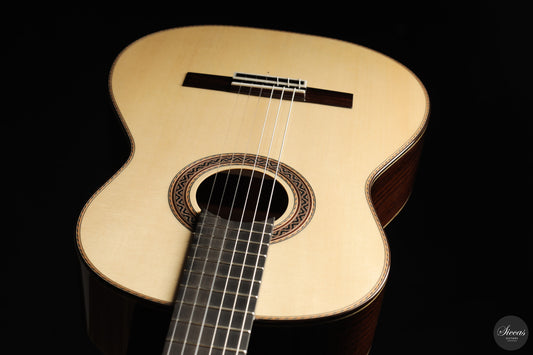
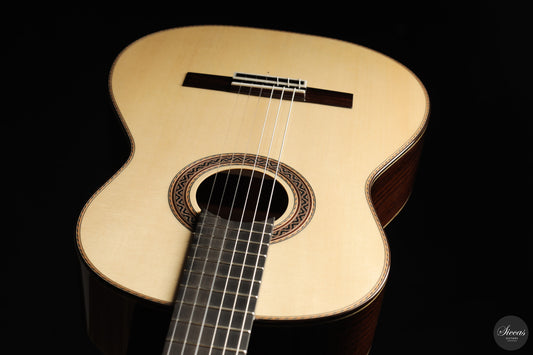
The classical guitar is the result of a long tradition of refined craftsmanship. Its sound, balance, and responsiveness are shaped by countless structural decisions made during construction. Every element, from wood selection to final finishing, contributes directly to how the instrument performs and how it responds to the player. This article explores the foundations of classical guitar making, examining construction methods, materials, influential luthiers, and current developments within this craft.
The Anatomy of a Classical Guitar
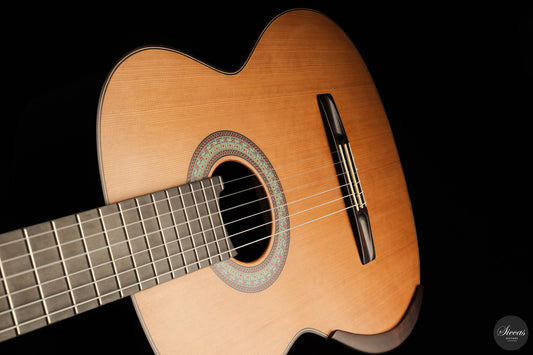
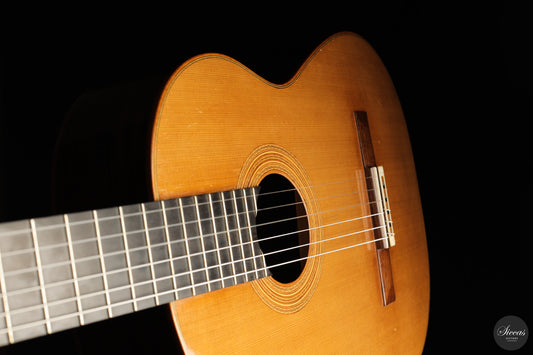
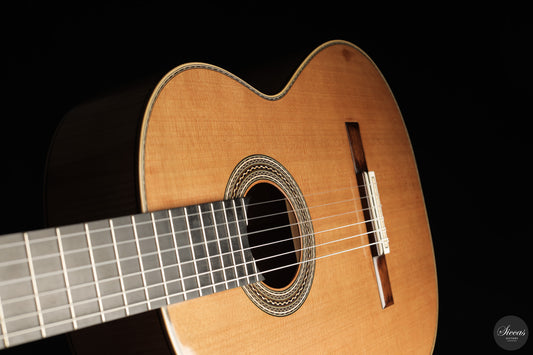
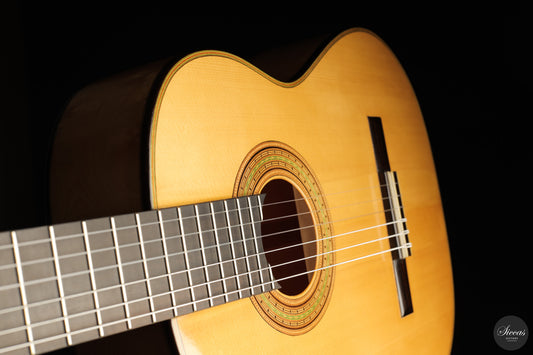
A classical guitar is defined by a carefully balanced structure in which each component serves a precise acoustic function. The soundboard is the primary driver of tone and projection. Its stiffness, thickness, and bracing determine how efficiently the strings’ energy is converted into sound. The neck and fingerboard form the physical interface between player and instrument. Their geometry influences playability, intonation, and long-term comfort. The body, consisting of back and sides, shapes resonance and sustain. While it does not generate sound on its own, it strongly affects tonal color and balance. The strings, typically made of nylon or composite materials, define the classical guitar’s characteristic attack, sustain, and warmth.
Crafting Techniques: Precision and Control
Classical guitar making combines traditional hand skills with carefully applied modern tools. The process begins with wood selection. Soundboards are commonly made from spruce or cedar, chosen for their stiffness-to-weight ratio and acoustic response. Backs and sides often use rosewood or mahogany, valued for stability and tonal support. Shaping and carving require exact control. Luthiers adjust thicknesses to fractions of a millimeter to achieve the desired balance between strength and flexibility. Joining and gluing demand precise alignment to ensure structural integrity and long-term reliability. Finishing is both protective and acoustic. Thin varnish layers, such as shellac applied by French polish, protect the wood while allowing it to vibrate freely. Excessive finish thickness can restrict sound development.
Influential Luthiers in Classical Guitar History
The development of the modern classical guitar is closely linked to a small number of highly influential makers.
Antonio de Torres established the fundamental proportions and construction principles that define the modern guitar. His designs clarified the role of the soundboard and set standards still followed today.
Hermann Hauser I refined these principles in the twentieth century, combining structural clarity with increased projection. His collaboration with Andrés Segovia helped define the concert guitar sound for large halls.
José Ramírez and the Ramírez workshop contributed significantly to the Spanish guitar tradition, producing instruments known for power, warmth, and adaptability to evolving repertoire.
Contemporary Developments in Guitar Making
Modern luthiers continue to work within this tradition while exploring new solutions. Sustainable material sourcing has become increasingly important, with builders seeking responsibly harvested woods and alternative materials. Ergonomic design features such as armrests, elevated fingerboards, and refined neck profiles aim to reduce physical strain without altering sound production. Some makers integrate discreet electronic systems to support amplified performance, while maintaining the acoustic identity of the instrument.
Classical guitar making is a discipline grounded in precision, experience, and acoustic understanding. Every construction choice directly affects how an instrument sounds, feels, and develops over time. While techniques and materials evolve, the core objective remains unchanged: to build instruments that respond reliably to musical intent. In the hands of skilled luthiers, the classical guitar becomes more than a physical object. It becomes a tool for interpretation, expression, and long-term artistic growth. By balancing tradition with thoughtful innovation, guitar making continues to shape the future of classical music while remaining rooted in its history.