Silent Night on Classical Guitar — Tutorial & Story

Silent Night on Classical Guitar — Tutorial & Story

Why it works on guitar

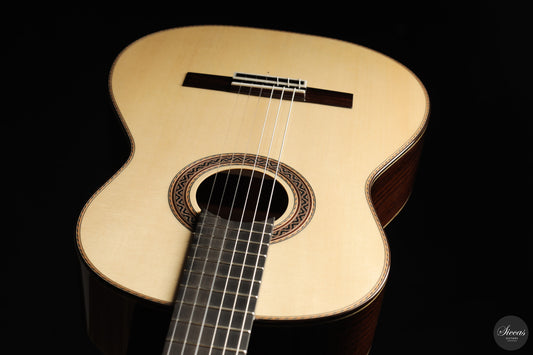
The original performance was on guitar, not organ — which means the classical guitar is not adapting this carol but returning it to its roots. The gentle 6/8 lilt, the unhurried pace, and the restrained dynamic range suit the guitar's warm, intimate tone perfectly. A single guitar can carry both the melody and the accompaniment, filling a room without effort.

How to approach it

Let the 6/8 rhythm breathe — three gentle beats per bar, never hurried. The melody needs a singing, legato quality, slightly louder than the bass accompaniment. A very quiet dynamic throughout respects the carol's character. Save a small crescendo for the final verse if you want to give the performance a sense of arrival.

Difficulty

Beginner to early intermediate. The melody is simple; the challenge is making it sound genuinely beautiful rather than merely correct — smooth tone, expressive legato, and a calm, unhurried approach make all the difference.

FAQ

Was Silent Night originally written for guitar?

Yes — the very first performance on Christmas Eve 1818 was accompanied by guitar, not organ.

Is it easy to play on guitar?

The basic melody is very accessible for beginners. The challenge lies in playing it with genuine expression.

Browse our classical guitars

The Library
  • Classical Guitars

    The classical guitar, with its soft nylon strings and characteristic timbre, has become a symbol of chamber music, Spanish tradition, and concert repertoire. Its modern form was shaped by Antonio de Torres in the 19th century, setting the standard for the body, fan bracing, and the 65-centimeter scale length that are still used today. Instruments in this category open up a rich palette from the refined Romantic miniatures of Tárrega to the majestic concertos of Rodrigo. Here you will find guitars that preserve historical continuity and at the same time inspire new interpretations.
    Explore all classical guitars
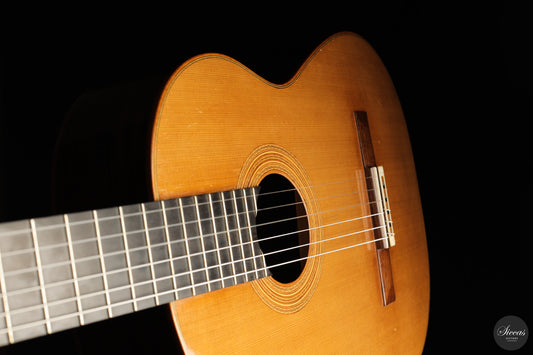
  • Luthier: Simon Marty
    Construction Year: 2026
    Top: Cedar
    Back and Sides: Madagascar rosewood
    Soundboard Finish: Lacquer
    Body Finish: Lacquer
    Air Body Frequency: G / G sharp
    Weight (g): 2185
    Tuner: Gilbert
    Condition: New
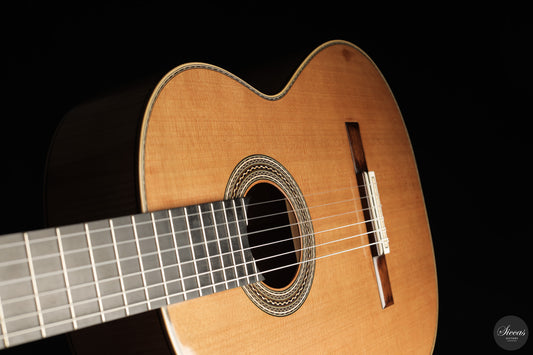
  • Luthier: Gerhard Oldiges
    Construction Year: 1993
    Construction Type: Traditional
    Top: Cedar
    Back and Sides: Madagascar rosewood
    Soundboard Finish: French polish
    Body Finish: French polish
    Air Body Frequency: G sharp / A
    Weight (g): 1580
    Tuner: Der Jung
    Condition: Excellent
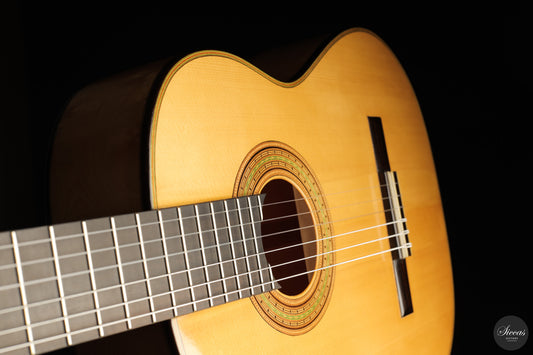
  • Luthier: Karel Dedain
    Construction Year: 2026
    Construction Type: Traditional
    Top: Cedar
    Back and Sides: Flamed Maple
    Soundboard Finish: French polish
    Body Finish: French polish
    Air Body Frequency: E / F
    Weight (g): 1420
    Tuner: Alessi
    Condition: New
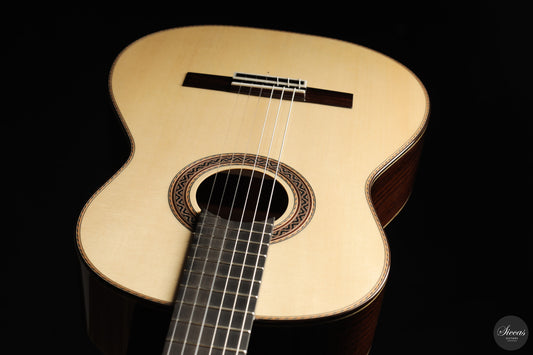
  • Luthier: Davide Scacchi
    Construction Year: 2026
    Construction Type: Traditional
    Top: Spruce
    Back and Sides: Birdseye Maple
    Soundboard Finish: French polish
    Body Finish: French polish
    Air Body Frequency: F sharp
    Weight (g): 1240
    Tuner: Perona
    Condition: New
  • Manufacturer: Siccas Luthiers
    Manufacturer: Siccas Luthiers
    Construction Type: Traditional
    Construction Type: Traditional
    Top: Spruce
    Back and Sides: Indian rosewood
    Soundboard Finish: Polyurethane
    Body Finish: Polyurethane
    Air Body Frequency: F / F sharp
    Weight (g): 1500
    Tuner: Der Jung
    Condition: New
  • Manufacturer: Siccas Luthiers
    Manufacturer: Siccas Luthiers
    Construction Type: Traditional
    Construction Type: Traditional
    Top: Spruce
    Back and Sides: Indian rosewood
    Soundboard Finish: Polyurethane
    Body Finish: Polyurethane
    Air Body Frequency: F / F sharp
    Weight (g): 1500
    Tuner: Der Jung
    Condition: New

Discounts and Early Access

Subscribe to our weekkly Siccas Guitars newsletter for immediate access to subscriber-exclusive discounts and early bird specials.