

Francisco Simplicio
-
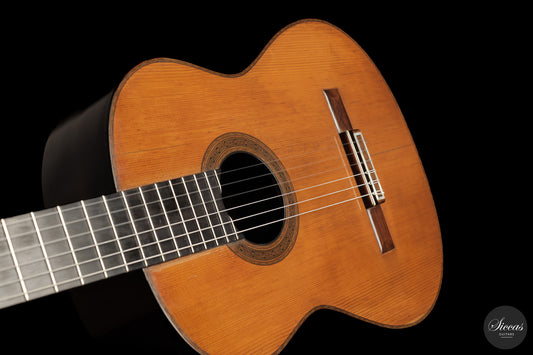
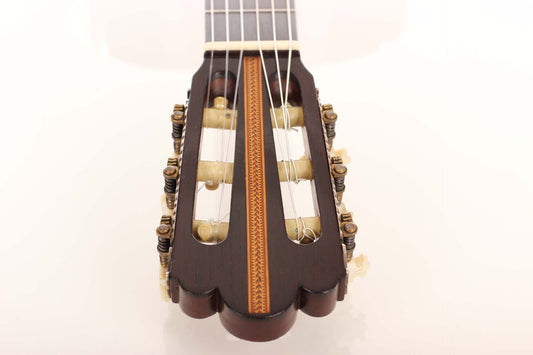
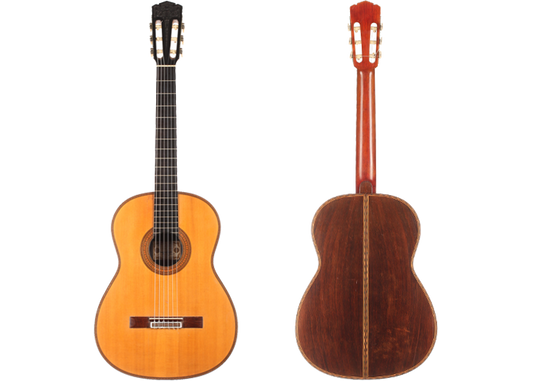
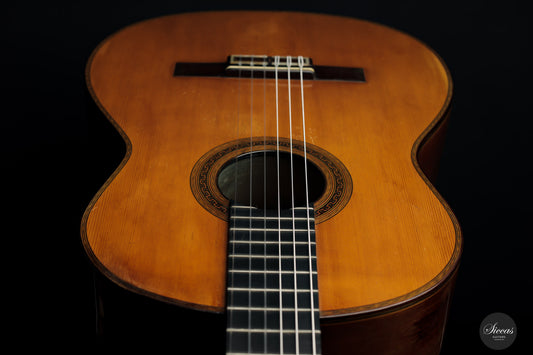
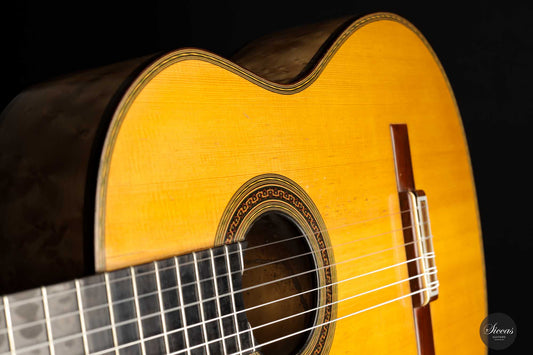
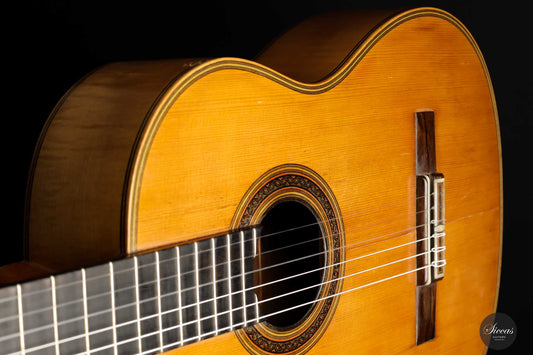
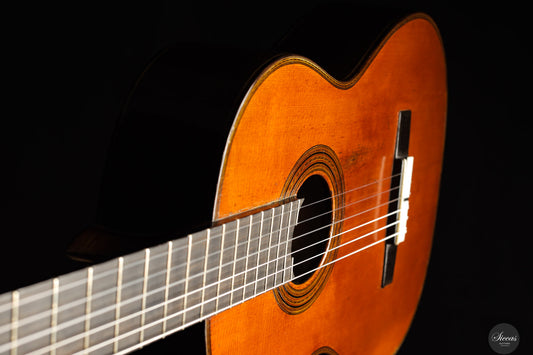
Francisco Simplicio - 1929 No. 266
Price on requestLuthier: Francisco SimplicioLuthier: Rare GuitarsConstruction Type: Traditional -
Luthier: Francisco SimplicioLuthier: Rare GuitarsLuthier: Seltene Gitarren
-
Luthier: Francisco SimplicioLuthier: Rare GuitarsLuthier: Seltene Gitarren
-
Luthier: Francisco Simplicio
-
Luthier: Francisco Simplicio
-
Luthier: Francisco Simplicio
-
Luthier: Francisco Simplicio
-
Luthier: Francisco SimplicioLuthier: Seltene Gitarren








Ask us - right here.
Enrico, our AI team member, replies around the clock.
Instant reply · free · no obligation Rather use WhatsApp
Frequently Asked Questions About Classical Guitars
How do I choose the right classical guitar for my level?
Choosing the right classical guitar depends on your playing level, musical goals, and budget. Beginners benefit from studio-model guitars from renowned workshops, while advanced players and professionals often choose a handmade master guitar. We are happy to advise you personally and can send detailed sound samples and videos on request.
What is the difference between a master guitar and a studio guitar?
Master guitars are built entirely by hand in the workshop of a single luthier, using only high-quality, well-aged tonewoods. Studio guitars are made in small series, often under the supervision of the master luthier, and offer excellent value for students and ambitious amateur players.
Can I try a classical guitar at home for 14 days?
Yes — every guitar you purchase from us comes with a 14-day home approval period. This complimentary trial applies worldwide to all orders, whether you are in Germany, Europe, the USA, Asia or anywhere else. We ship your instrument fully insured in a high-quality case so you can play it under your own acoustic conditions. If the guitar is not the right one for you, simply send it back and receive a full refund of the purchase price.
Can I try a classical guitar before purchasing?
Absolutely. You are warmly invited to visit our showroom in Karlsruhe, Germany, and test the instruments at your leisure. We are happy to schedule a personal appointment. If a visit is not possible, we send detailed videos and sound samples, and offer extensive consultation by phone or video call.
What payment methods and financing options do you offer?
We accept bank transfer, PayPal, major credit cards, and Klarna. For high-value instruments, we offer individual installment plans on request. Please contact us directly — we will find a suitable solution for every budget.
How do I properly care for my classical guitar?
A classical guitar requires constant humidity between 45 and 55 percent. Store the instrument in its case with a humidifier, avoid direct sunlight and large temperature fluctuations. Change the strings regularly and clean the guitar with a soft microfiber cloth.
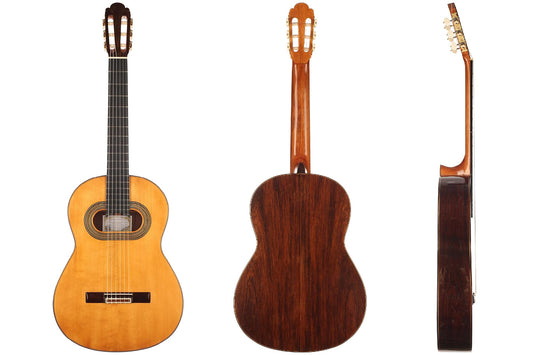
You may also be interested Francisco Simplicio
Francisco Simplicio – Master Luthier of the Spanish Guitar Tradition
Francisco Simplicio (1874–1932) is regarded as one of the most influential Spanish luthiers in the history of classical guitar making. His instruments are treasured for their exceptional craftsmanship, tonal beauty, and artistic detailing. Representing the height of early 20th-century Spanish luthiery, Simplicio’s work continues to inspire guitar makers worldwide.
Early Life and Career
Born in Barcelona, Spain, Francisco Simplicio began his professional life as a cabinetmaker. This background in fine woodworking profoundly influenced his approach to guitar building, shaping both the aesthetic and structural aspects of his instruments. In 1919, he entered the workshop of Enrique García, Barcelona’s most celebrated luthier of the time.
Following García’s death in 1922, Simplicio took over the workshop and began building under his own name, often labeling himself as “Successor to Enrique García.” This marked the beginning of his most productive and acclaimed period.
Distinctive Features of Simplicio Guitars
Francisco Simplicio’s guitars are renowned for their ornate artistry, precise craftsmanship, and warm, lyrical sound. Key features include:
- Intricate carvings adorning the headstock and rosette, turning each guitar into a unique visual masterpiece.
- Advanced fan bracing inspired by Torres, enhancing warmth, balance, and projection.
- Premium tonewoods such as Brazilian rosewood, spruce, and cypress, selected for both tonal and visual excellence.
- Sound characterized by resonance, sweetness, and the unmistakable Spanish timbre.
Legacy and Influence
Although his career spanned barely a decade, Francisco Simplicio’s impact on classical guitar making remains profound. His son-in-law and apprentice, Miguel Simplicio, continued his work after his passing, preserving his methods and designs.
Today, original Simplicio guitars are among the most valuable and sought-after historical instruments. They are held in high esteem by musicians, collectors, and museums alike for their beauty, craftsmanship, and historical importance.
Modern luthiers still study his guitars to understand his innovative approach to bracing, tone, and design. Simplicio’s name stands alongside the giants of guitar making such as Antonio de Torres, Manuel Ramírez, and Hermann Hauser I.
Francisco Simplicio Guitars at Siccas Guitars
Due to their rarity and significance, original Simplicio guitars are considered collector’s treasures. Occasionally, these masterpieces appear on the high-end guitar market. Siccas Guitars has had the honor of showcasing several original Simplicio guitars, connecting discerning players and collectors with these extraordinary instruments.
Conclusion
Francisco Simplicio’s legacy stands as a cornerstone of Spanish guitar craftsmanship. His guitars embody technical mastery, artistic sensitivity, and a deep respect for tradition. For musicians, luthiers, and enthusiasts, experiencing a Simplicio guitar is to encounter one of the finest expressions of the classical guitar’s golden age.