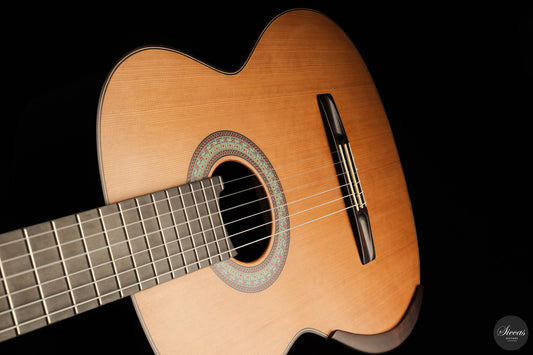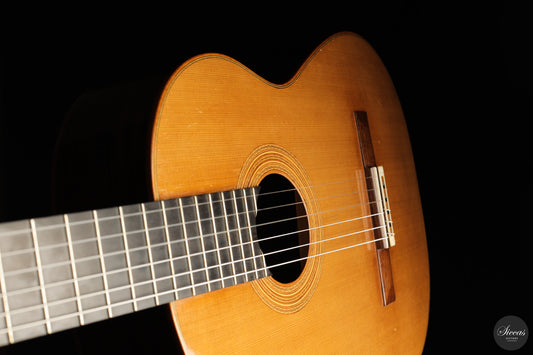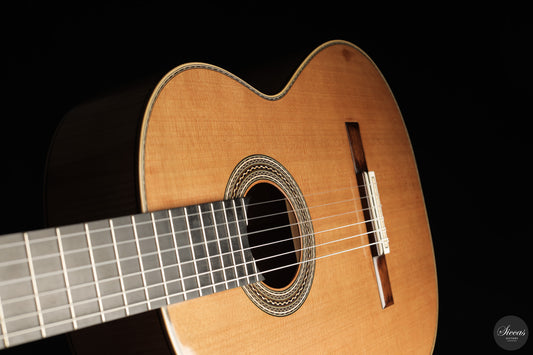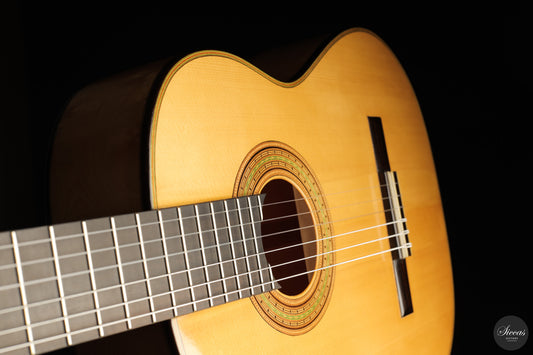

Of all the music transcribed for the classical guitar, few styles suit it as naturally as impressionism. The dreamy, colour-soaked piano world of Debussy, Satie and Mompou — built on resonance, atmosphere and stillness — finds a perfect home in the guitar's warm, gently fading tone. Here is a guide to this gorgeous, atmospheric corner of the repertoire.
Satie — the gentle precursor
Erik Satie's spare, hypnotic miniatures are the perfect gateway. His Gymnopédies and Gnossiennes float on the guitar, their stillness suiting the instrument even better than the piano. Read about Erik Satie →
Debussy — colour and dream
Claude Debussy is the great painter of musical impressionism, and pieces such as Clair de Lune have become favourites in guitar transcription, where the instrument's resonance captures their shimmering harmony. Read about Clair de Lune on guitar →
Mompou — Catalan stillness
The Catalan composer Federico Mompou carried that impressionist spirit into the later twentieth century, and his Suite Compostelana — written for Segovia — is one of the most quietly beautiful works ever composed for the guitar. Read about Mompou →
Beyond the three
The impressionist world on the guitar reaches wider still. At its heart sits Manuel de Falla's Homenaje, "Le Tombeau de Claude Debussy" — his only solo guitar work, written in memory of Debussy himself. Around it gather the brooding Pavana Triste of Antonio José and the gentle, atmospheric pieces of Federico Moreno Torroba — all part of the same Spanish-French sensibility for colour and mood.
How to play it
Impressionist music is about colour, not display. It asks for a beautiful tone, careful use of the guitar's natural resonance, sensitivity to silence, and unhurried, flexible time. The notes are often not the hardest part; the art is in the atmosphere. A small note on rights: Satie and Debussy are in the public domain, while Mompou's music remains under copyright.