

Seltene Gitarren
-
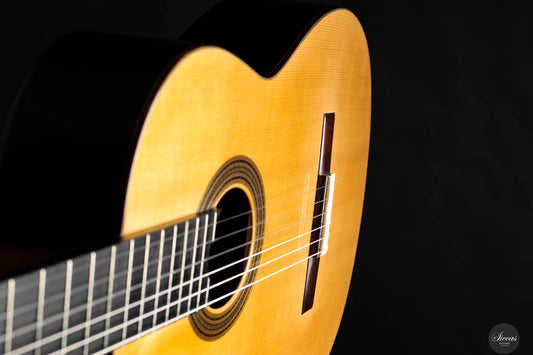
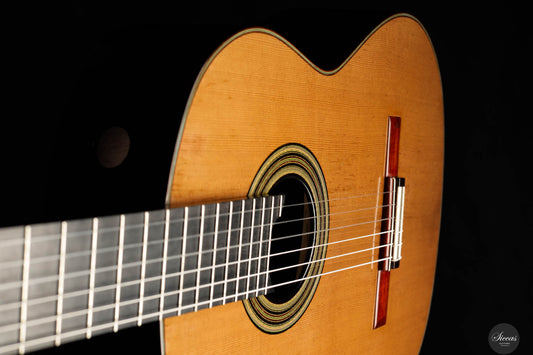
Luthier: Seltene Gitarren
-
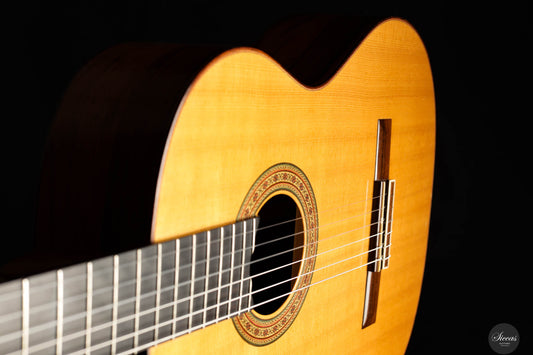
Luthier: Andrea TacchiLuthier: Rare GuitarsLuthier: Seltene Gitarren
-
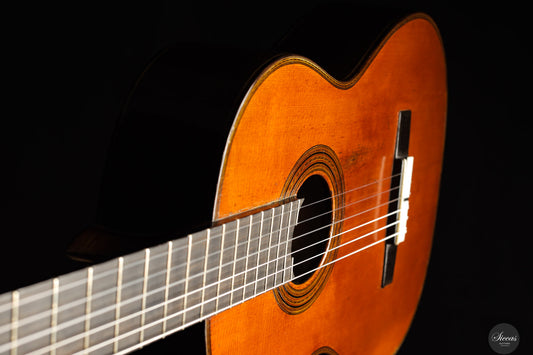
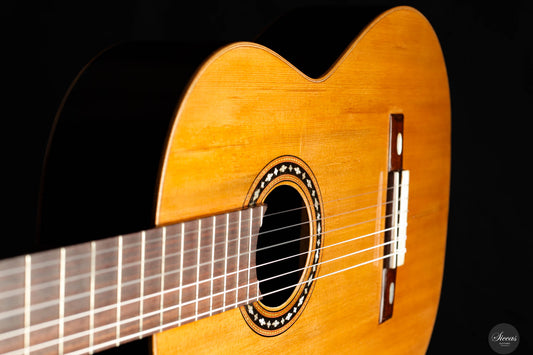
Luthier: Dominique FieldLuthier: Rare GuitarsLuthier: Seltene Gitarren
-
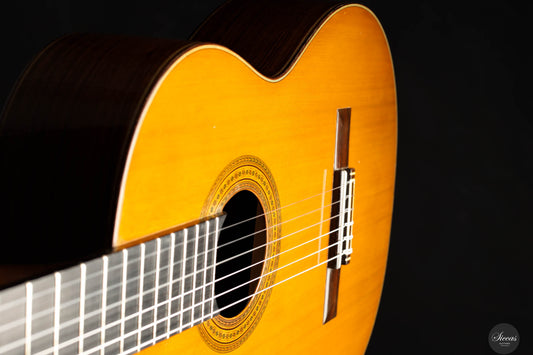
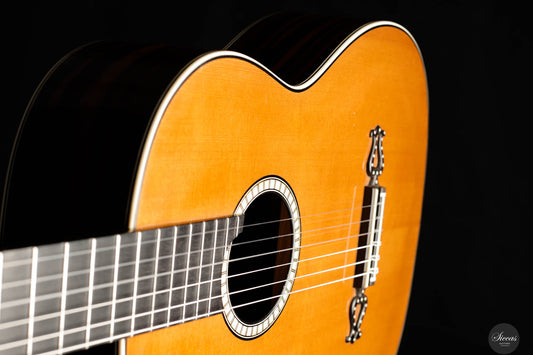
Luthier: Gernot WagnerLuthier: Seltene Gitarren
-
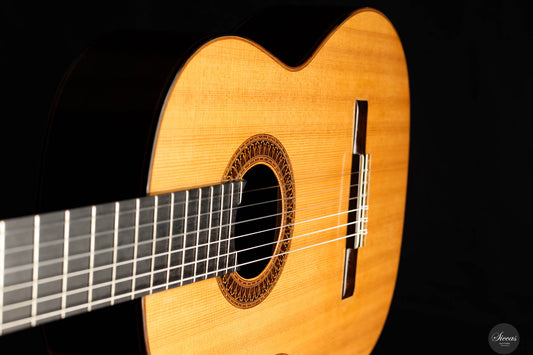
Luthier: Francisco SimplicioLuthier: Seltene Gitarren
-
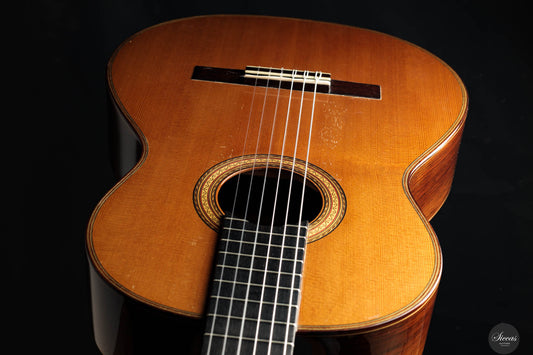
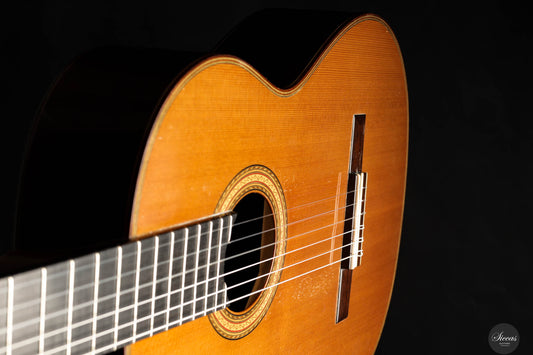
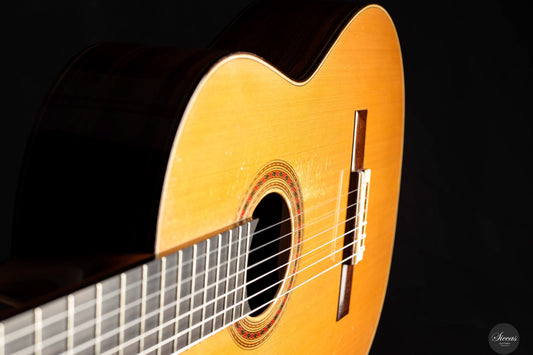
Luthier: Ignacio FletaLuthier: Seltene Gitarren
-
Luthier: Hermann Hauser IIILuthier: Seltene Gitarren
-
Luthier: Daniel FriederichLuthier: Seltene Gitarren
-
Luthier: Ignacio FletaLuthier: Seltene Gitarren
-
Luthier: Jose RamirezLuthier: Seltene Gitarren
-
Luthier: Seltene Gitarren
-
Luthier: Richard Jacob WeissgerberLuthier: Seltene Gitarren
-
Luthier: José Luis RomanillosLuthier: Seltene Gitarren
-
Luthier: Andrea TacchiLuthier: Seltene Gitarren
-
Luthier: Santos HernandezLuthier: Seltene Gitarren
-
Luthier: Seltene Gitarren
-
Luthier: José Luis RomanillosLuthier: Seltene Gitarren
-
Luthier: Seltene Gitarren
-
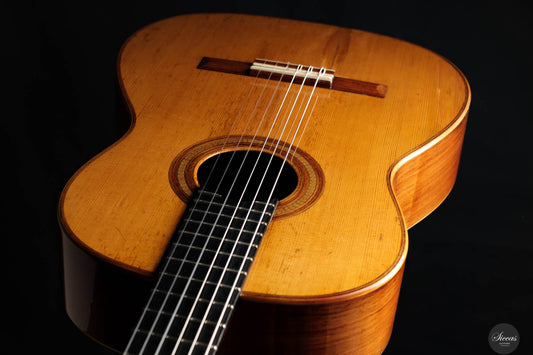
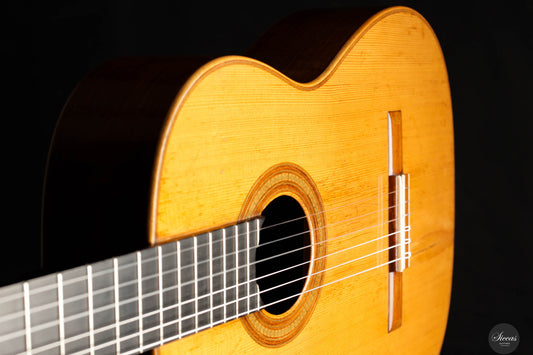 SoldSoldLuthier: Edgar MönchLuthier: Seltene Gitarren
 -
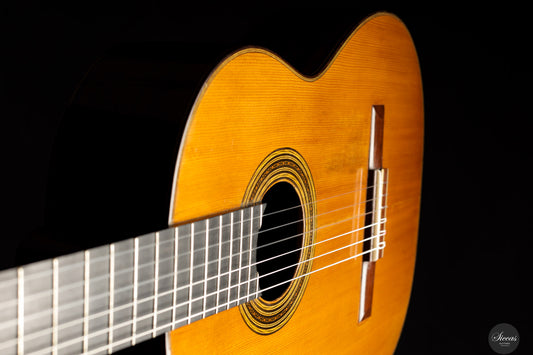
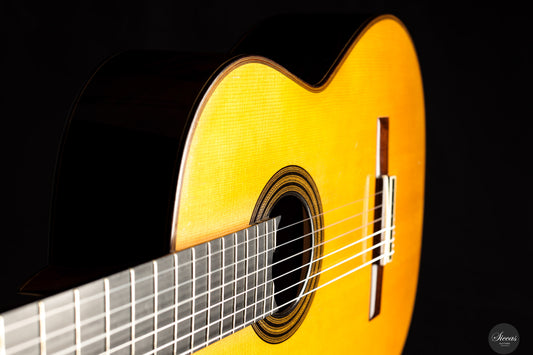
Luthier: Jean-Noel RoheLuthier: Seltene Gitarren









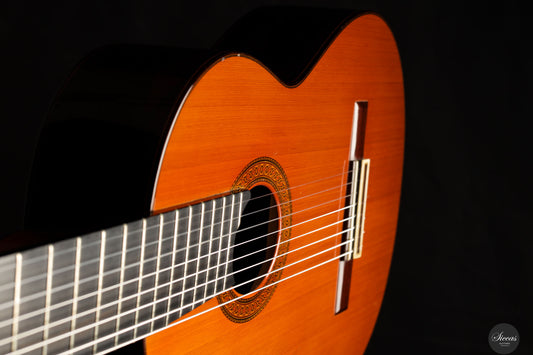

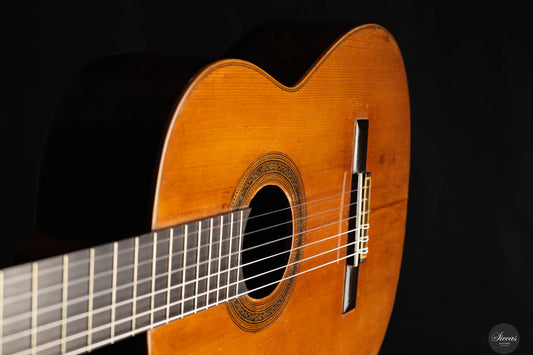

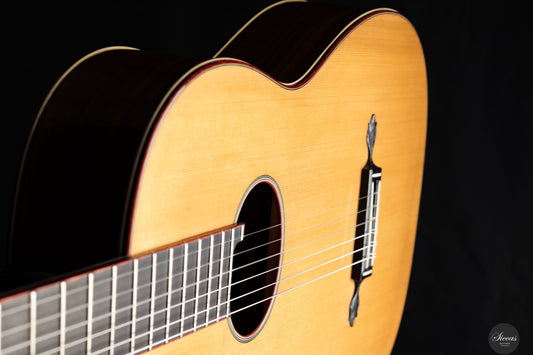

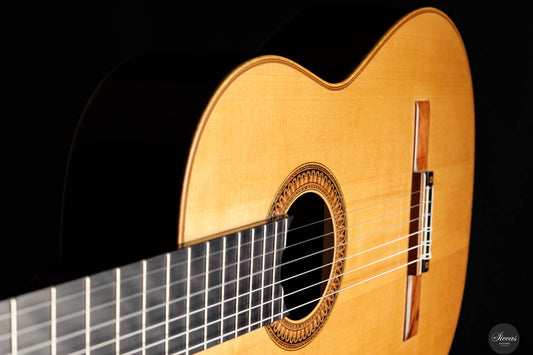







Ask us - right here.
Enrico, our AI team member, replies around the clock.
Instant reply · free · no obligation Rather use WhatsApp
Frequently Asked Questions About Classical Guitars
How do I choose the right classical guitar for my level?
Choosing the right classical guitar depends on your playing level, musical goals, and budget. Beginners benefit from studio-model guitars from renowned workshops, while advanced players and professionals often choose a handmade master guitar. We are happy to advise you personally and can send detailed sound samples and videos on request.
What is the difference between a master guitar and a studio guitar?
Master guitars are built entirely by hand in the workshop of a single luthier, using only high-quality, well-aged tonewoods. Studio guitars are made in small series, often under the supervision of the master luthier, and offer excellent value for students and ambitious amateur players.
Can I try a classical guitar at home for 14 days?
Yes — every guitar you purchase from us comes with a 14-day home approval period. This complimentary trial applies worldwide to all orders, whether you are in Germany, Europe, the USA, Asia or anywhere else. We ship your instrument fully insured in a high-quality case so you can play it under your own acoustic conditions. If the guitar is not the right one for you, simply send it back and receive a full refund of the purchase price.
Can I try a classical guitar before purchasing?
Absolutely. You are warmly invited to visit our showroom in Karlsruhe, Germany, and test the instruments at your leisure. We are happy to schedule a personal appointment. If a visit is not possible, we send detailed videos and sound samples, and offer extensive consultation by phone or video call.
What payment methods and financing options do you offer?
We accept bank transfer, PayPal, major credit cards, and Klarna. For high-value instruments, we offer individual installment plans on request. Please contact us directly — we will find a suitable solution for every budget.
How do I properly care for my classical guitar?
A classical guitar requires constant humidity between 45 and 55 percent. Store the instrument in its case with a humidifier, avoid direct sunlight and large temperature fluctuations. Change the strings regularly and clean the guitar with a soft microfiber cloth.
You may also be interested Seltene Gitarren
Rare Classical Guitars: A Symphony of Craftsmanship and Rarity
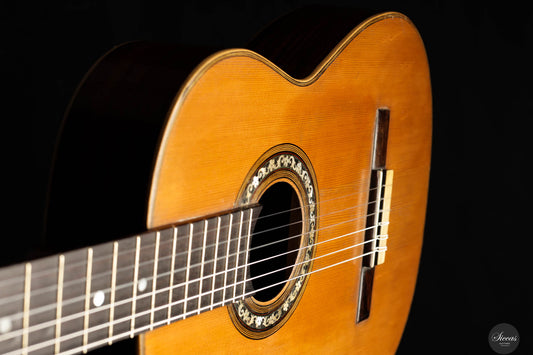
Classical guitars have always been a symbol of elegance, tradition, and mastery in the world of music. They are not just instruments, but pieces of art that tell a story through their sound, design, and historical significance. Among these musical treasures, rare classical guitars stand out as the epitome of craftsmanship and rarity. In this article, we will explore these extraordinary instruments that have become collectibles and have a special place in the hearts of musicians and enthusiasts alike.
1. Historical Importance of Rare Classical Guitars
Rare classical guitars often date back to a significant time in history, made by legendary luthiers such as Antonio de Torres, Hermann Hauser, and Santos Hernandez. These guitars have played a crucial role in shaping the sound of classical music and have become historical artifacts that reflect the evolution of musical artistry over the centuries.
2. Characteristics of Rare Classical Guitars
The uniqueness of rare classical guitars lies in their:
- Materials: Often made from exotic and aged woods, the selection of material is crucial in defining the tone and appearance of the guitar.
- Craftsmanship: Every rare classical guitar is a product of meticulous craftsmanship. From the hand-carved bracing to the fine inlay work, every detail is carefully considered.
- Sound Quality: Known for their rich and resonant sound, these guitars offer unparalleled musical expression.
- Provenance: The history and ownership of a rare classical guitar can add to its allure and value. Guitars that were once played by famous musicians or owned by prominent collectors are especially prized.
3. Collecting Rare Classical Guitars
Rare classical guitars have become valuable collectibles, with some even fetching millions at auctions. Collectors often look for:
- Originality: Guitars that maintain their original parts and finish are highly sought after.
- Condition: The state of preservation plays a significant role in determining the value.
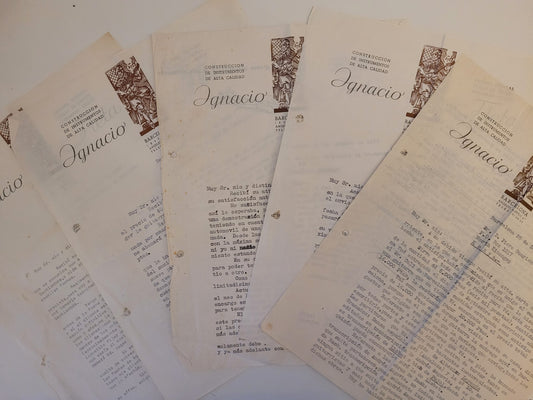
- Documentation: Authenticity certificates, original purchase receipts, or any historical documents can make a rare classical guitar even more desirable.
4. Famous Rare Classical Guitars
Some rare classical guitars have become famous, such as:
- 1937 Hermann Hauser: Owned by Andres Segovia, this guitar played a pivotal role in popularizing the classical guitar.
- 1864 Antonio de Torres: Known as “La Leona,” this guitar is famous for its sound and innovation in guitar construction.
5. Conclusion: A Timeless Legacy
Rare classical guitars are not just instruments but pieces of history that continue to inspire musicians and collectors. Their rarity, coupled with unparalleled craftsmanship, makes them a timeless legacy in the world of music. Whether you are a musician, a collector, or an enthusiast, the allure of rare classical guitars is undeniable. Their mystique and beauty offer a glimpse into a bygone era and continue to resonate with passion, artistry, and innovation.