The Prelude to Bach's Cello Suite No. 1 in G major is one of the most immediately recognisable passages in all of Western music — a single flowing idea in arpeggiated sixteenth notes that has found its way into film scores, concert halls, and the earliest practice sessions of countless guitarists. Johann Sebastian Bach composed the six Cello Suites around 1720, and the Prelude of the first has become the most beloved of all their movements.
A Cello Work That Belongs on Guitar
Bach wrote the Suites for unaccompanied cello — instruments with no surviving autograph in his own hand, the primary source being a copy made by his wife Anna Magdalena. The Prelude is built almost entirely from arpeggiated broken-chord patterns rather than the long bowed melodic lines that define most of the other movements. This is precisely why it translates so naturally to the guitar: where the cello sustains through the bow, the guitar compensates with clarity on each plucked note, and the arpeggiated texture suits the guitar's attack-and-decay character perfectly. Guitar arrangements often use Drop D tuning to sustain a low D pedal point beneath the arpeggios, adding a resonance the cello version cannot achieve.
The Music
The Prelude opens with an arpeggiated G major chord in continuous sixteenth notes — a figure of such inevitability that it feels less like a beginning than a discovery. The harmonic journey moves from this opening through a series of modulations, a mid-piece ascent to a moment of suspension, and a final return to G major that arrives with a sense of absolute rightness.
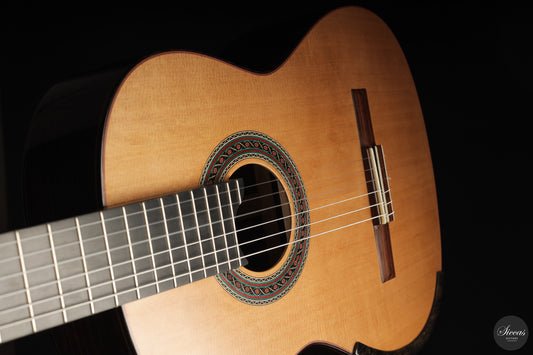
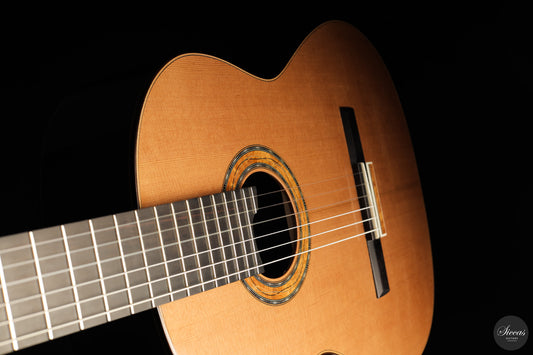
Performed at Siccas Guitars
Playing it
The challenge is evenness: every note in the arpeggiated pattern must have equal tone and weight, the melody notes projecting slightly above the others. A common performance tempo is unhurried — let each note speak. Approximately Grade 7 level, but the musical depth rewards a lifetime of attention.
See the full Bach guide and the Chaconne.