The Sevillana, Op. 29 by Joaquín Turina was the first piece he ever wrote for classical guitar — and it became one of the most performed. A free fantasy on the spirit of an Andalusian dance, it opens and closes with rasgueados and carries the unmistakable sound of Turina's native Seville throughout.
The Dance
The sevillana is a traditional folk dance and song form from Seville, most closely associated with the annual Feria de Abril — the great spring fair when Sevillanos dance in traditional dress through the night. It is structured in four sections, each with verses and a refrain, and operates in a compound triple feel that swings between 3/4 and 6/8 depending on interpretation. The form has roots reaching back to the Spanish Renaissance and carries the extroverted energy of a city that knows how to celebrate. Turina subtitles his piece "Fantasía," signalling from the outset that he is evoking the dance's spirit rather than following its strict architecture. Phrygian dominant scales and Moorish-influenced harmony run throughout, blending classical and Impressionist language with Andalusian folk material.
The Work
Turina completed the piece in November 1923 at Segovia's direct request; Segovia gave the premiere on 17 December 1923 in Madrid. The rasgueados that frame the work plant it immediately in flamenco territory. The middle sections contrast lyrical, singing melody with the rhythmic propulsion of the dance before the final rasgueado cadence brings everything to a brilliant close. Advanced intermediate to advanced level.
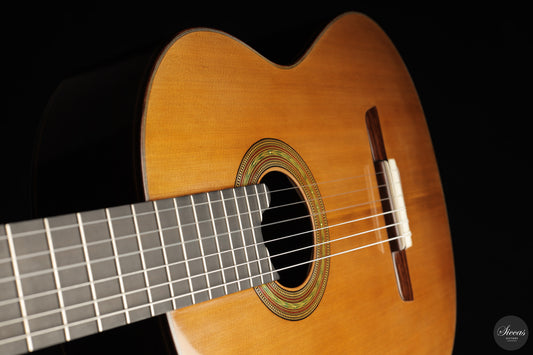
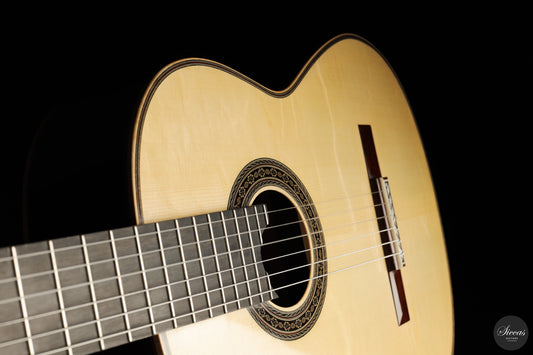
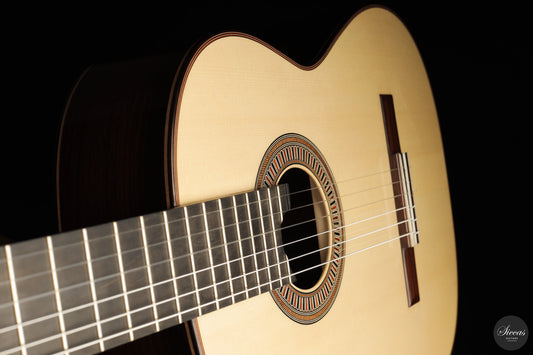
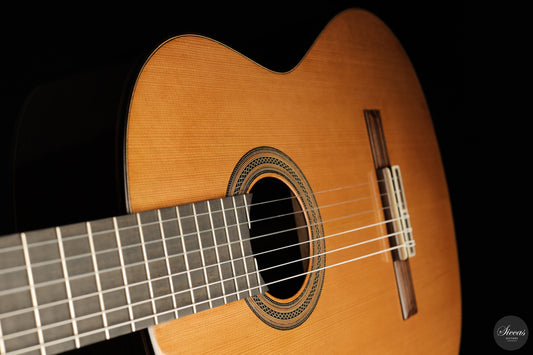
Performed at Siccas Guitars
Playing it
The rasgueados need to feel natural — not mechanical — and the lyrical passages between them need genuine warmth. The Phrygian mode gives the piece its Spanish identity; lean into it.
See the full Turina guide and the Sonata, Op. 61.