

Short Scale
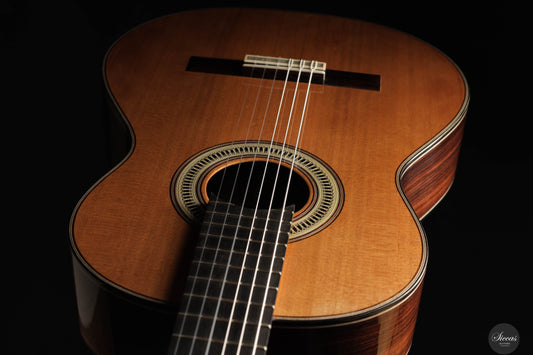
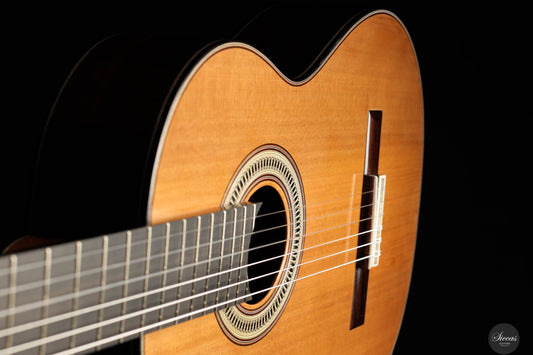
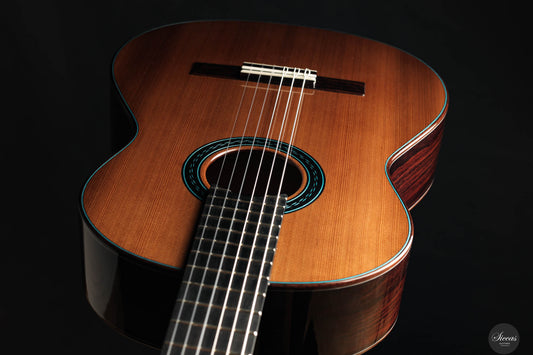
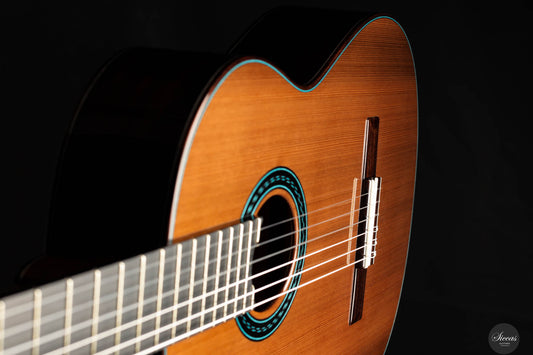
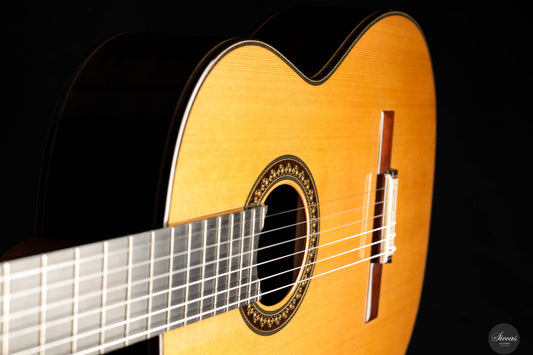
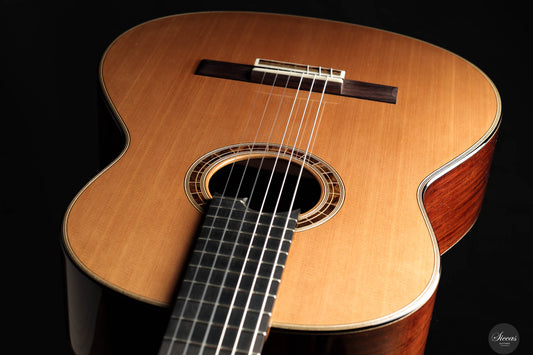
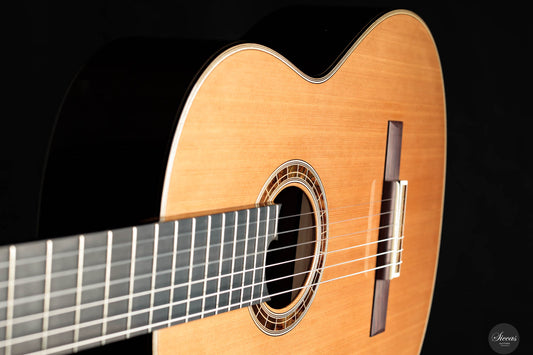
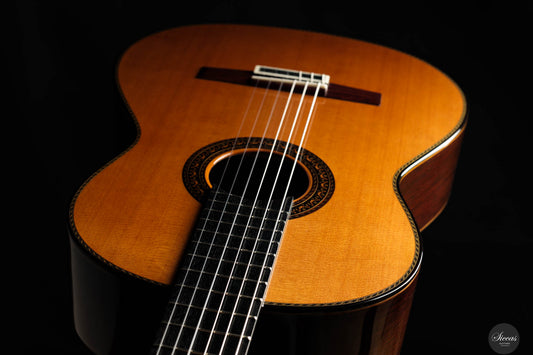
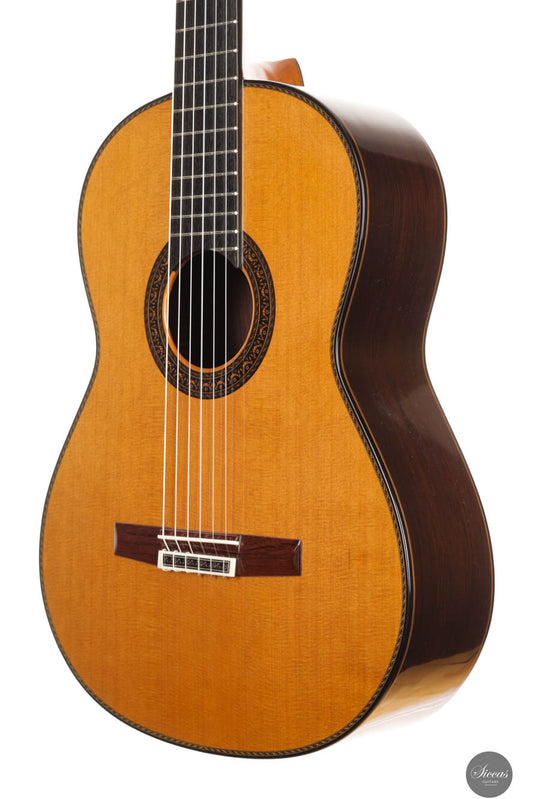
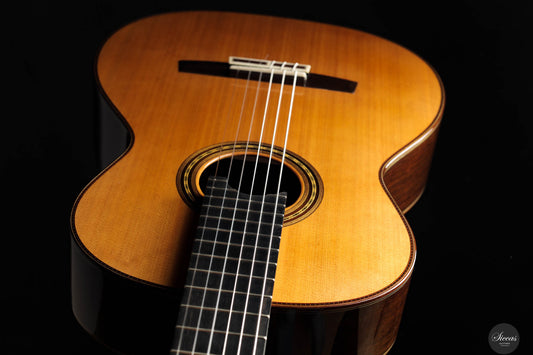
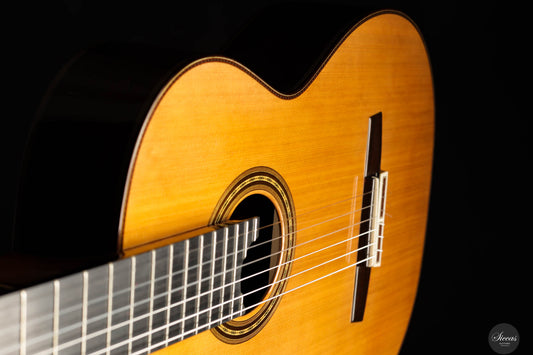
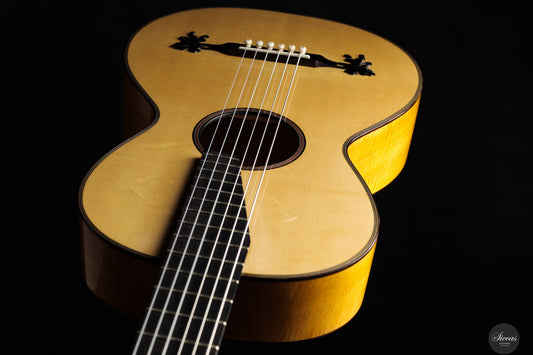
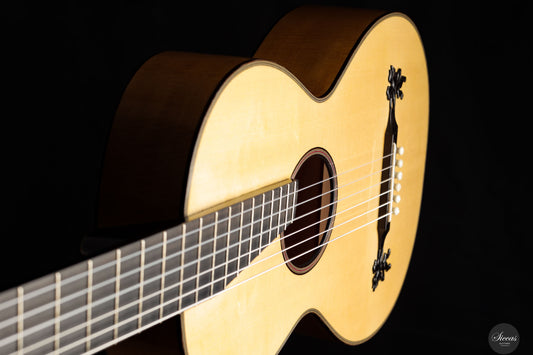
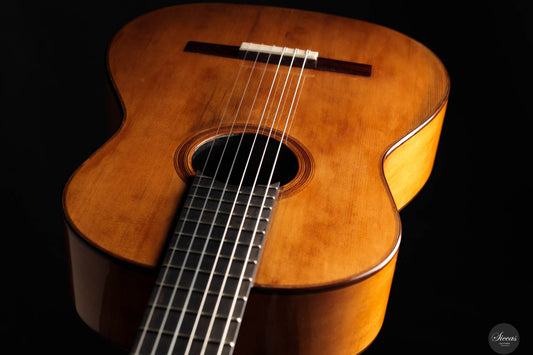
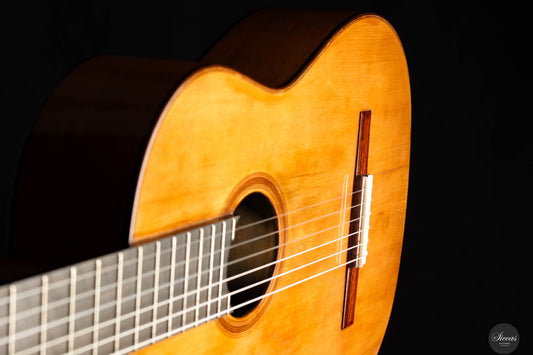
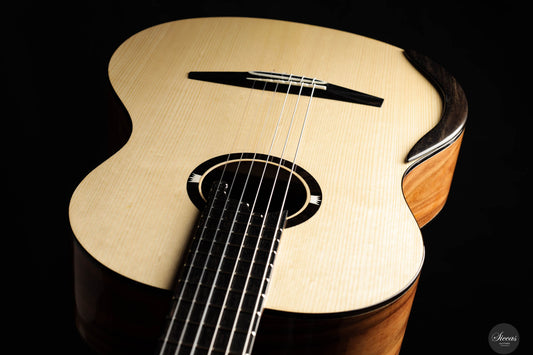
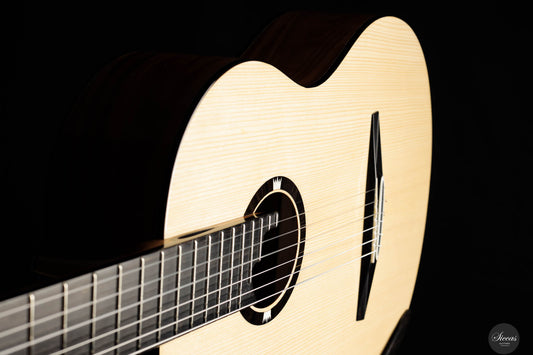
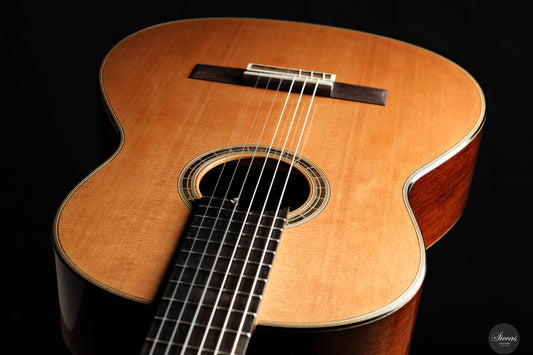
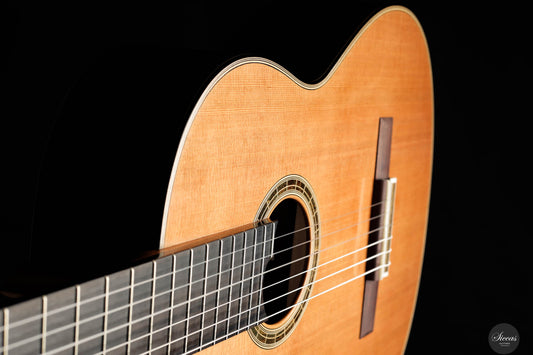
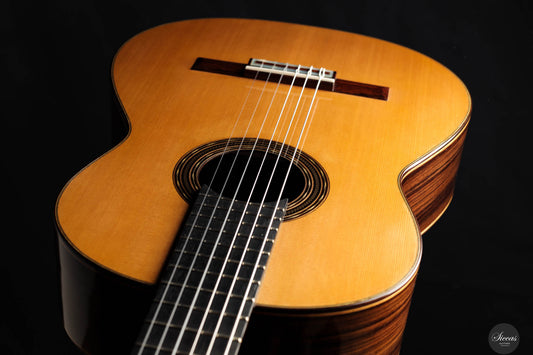
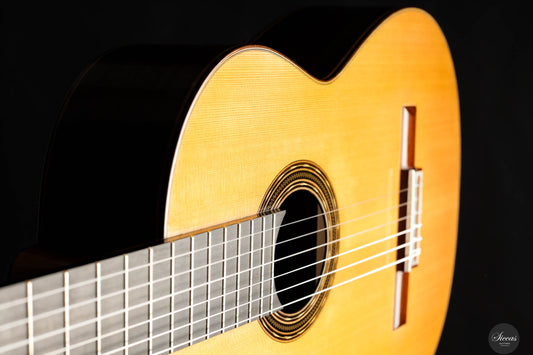
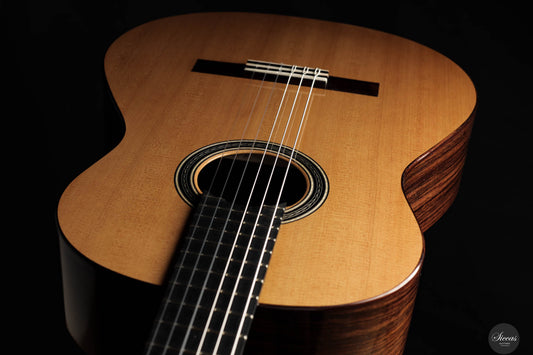
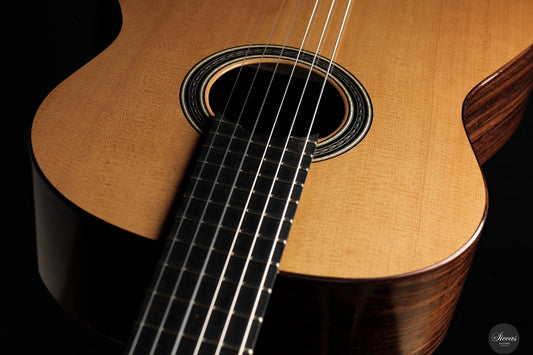
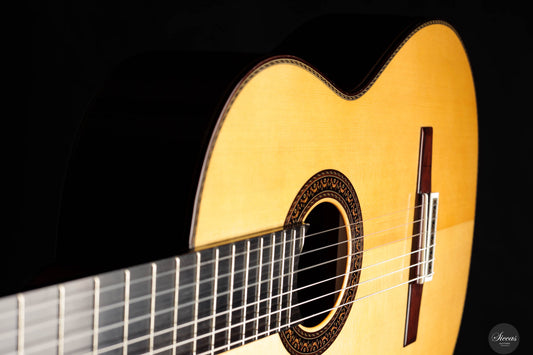
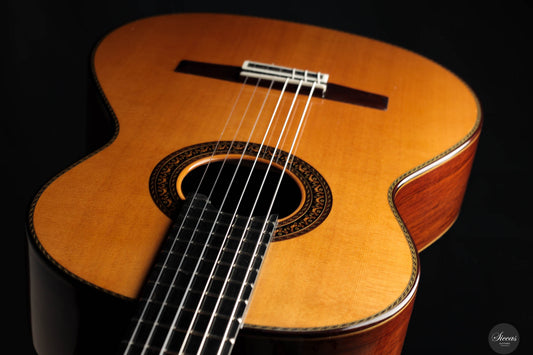
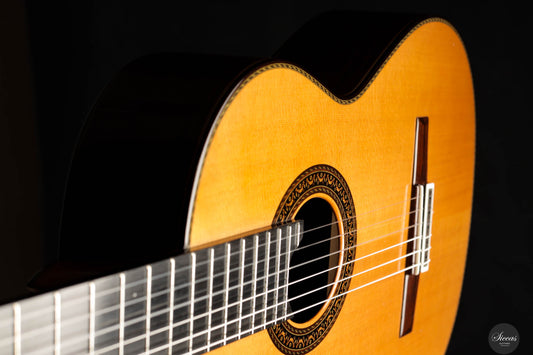
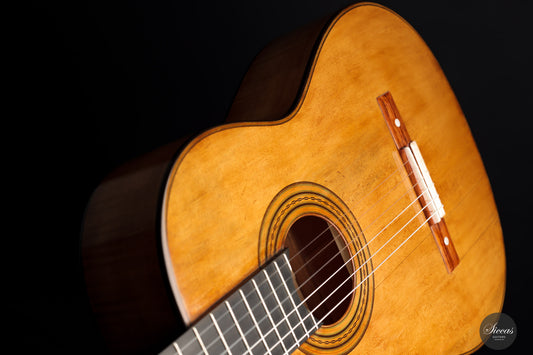
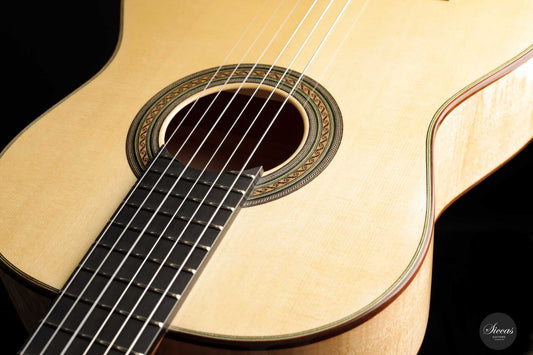
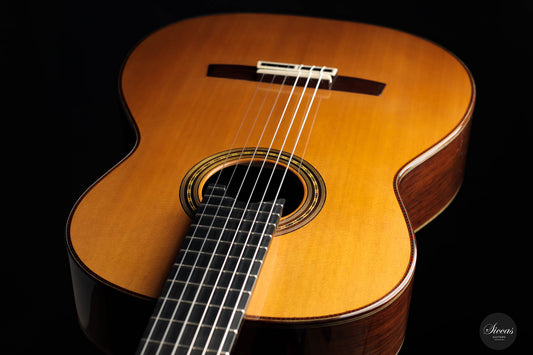
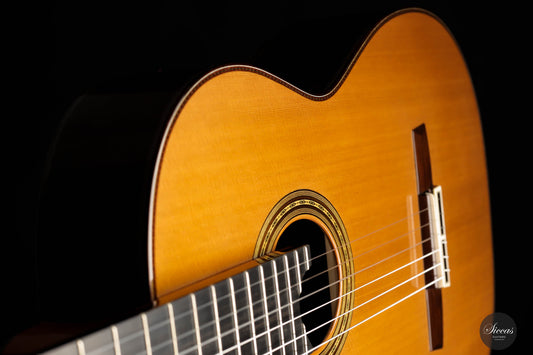
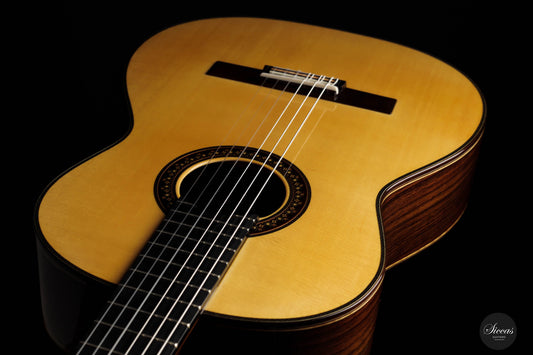
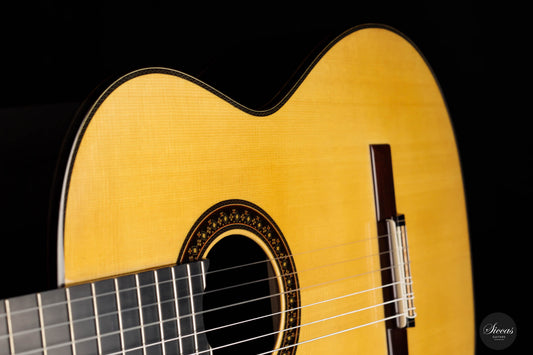
A 650 mm scale is standard — but it is not the only option. Short scale classical guitars (typically 628–640 mm) reduce fret spacing and string tension without compromising tonal quality, making them genuinely transformative for players with smaller hands, women, younger students transitioning from 3/4 size, or anyone dealing with hand or wrist injuries. Every instrument filmed in a professional video review.
-
Luthier: Marco MaguoloLuthier: Roma Expo Guitar 2025Construction Type: Short Scale
-
Luthier: Rinaldo VaccaConstruction Type: Short Scale
-
-
Construction Type: Short Scale
-
Luthier: Vicente CarrilloConstruction Type: Short Scale
-
Luthier: Sakurai Kohno
-
Construction Type: Short Scale
-
Luthier: Stephan ConnorConstruction Type: Short Scale
-
Luthier: Ennio GiovanettiConstruction Type: Short Scale
-
Luthier: Wolfgang JellinghausConstruction Type: Short Scale
-
Luthier: Rafal TurkowiakConstruction Type: Short Scale
-
Construction Type: Short Scale
-
Construction Type: Short Scale
-
Construction Type: Short Scale
-
Luthier: Vicente Carrillo
-
Luthier: Vicente CarrilloConstruction Type: Short Scale
-
Luthier: Wolfgang Jellinghaus
-
Luthier: Wolfgang Jellinghaus
-
Luthier: Sakurai KohnoConstruction Type: Short Scale
-
Luthier: Sakurai KohnoConstruction Type: Short Scale






Ask us - right here.
Enrico, our AI team member, replies around the clock.
Instant reply · free · no obligation Rather use WhatsApp
Frequently Asked Questions About Classical Guitars
How do I choose the right classical guitar for my level?
Choosing the right classical guitar depends on your playing level, musical goals, and budget. Beginners benefit from studio-model guitars from renowned workshops, while advanced players and professionals often choose a handmade master guitar. We are happy to advise you personally and can send detailed sound samples and videos on request.
What is the difference between a master guitar and a studio guitar?
Master guitars are built entirely by hand in the workshop of a single luthier, using only high-quality, well-aged tonewoods. Studio guitars are made in small series, often under the supervision of the master luthier, and offer excellent value for students and ambitious amateur players.
Can I try a classical guitar at home for 14 days?
Yes — every guitar you purchase from us comes with a 14-day home approval period. This complimentary trial applies worldwide to all orders, whether you are in Germany, Europe, the USA, Asia or anywhere else. We ship your instrument fully insured in a high-quality case so you can play it under your own acoustic conditions. If the guitar is not the right one for you, simply send it back and receive a full refund of the purchase price.
Can I try a classical guitar before purchasing?
Absolutely. You are warmly invited to visit our showroom in Karlsruhe, Germany, and test the instruments at your leisure. We are happy to schedule a personal appointment. If a visit is not possible, we send detailed videos and sound samples, and offer extensive consultation by phone or video call.
What payment methods and financing options do you offer?
We accept bank transfer, PayPal, major credit cards, and Klarna. For high-value instruments, we offer individual installment plans on request. Please contact us directly — we will find a suitable solution for every budget.
How do I properly care for my classical guitar?
A classical guitar requires constant humidity between 45 and 55 percent. Store the instrument in its case with a humidifier, avoid direct sunlight and large temperature fluctuations. Change the strings regularly and clean the guitar with a soft microfiber cloth.
You may also be interested Short Scale
Standard classical guitar scale length is 650 mm — a measurement established by Antonio de Torres in the 19th century and almost universal ever since. But not every hand is built for 650 mm. Short scale classical guitars — most commonly 630 mm or 636 mm — reduce the fret spacing proportionally, making stretches more achievable and string tension slightly lower. If you have been struggling with reach, discomfort, or repetitive strain, a short scale guitar may be the answer you have been looking for.
What Short Scale Actually Means in Practice
At 630 mm, the frets are roughly 3% closer together than at 650 mm. That sounds modest on paper. In practice, across 12 frets and all position shifts, it makes a significant difference to chord shapes that involve large stretches — particularly in lower positions, where much of the standard classical repertoire lives. String tension drops slightly, which most players experience as a softer, more comfortable feel under the left hand. Neither of these changes compromises volume, tonal quality, or the ability to play any standard repertoire.
7/8 Size vs. 3/4: Don't Confuse Them
This confusion costs people money and frustration. A 7/8 classical guitar (scale ~630 mm) is a full-size instrument in terms of body proportions and tonal quality — only the scale length is reduced. It is the right choice for adult players with smaller hands. A 3/4 guitar (scale ~580 mm) is a children's instrument with a proportionally reduced body — it sounds noticeably smaller and less resonant than a full-size guitar. Adults should choose 7/8, not 3/4.
Who Benefits from Short Scale
Players with smaller hands: If standard chord positions consistently require uncomfortable stretching, or if you notice right-hand tension compensating for difficult left-hand positions, 630 mm will feel immediately more natural. Women guitarists: Average female hand spans tend to be smaller than male, and many professional women guitarists — including Ana Vidović — perform on slightly reduced scale instruments. Injury recovery: Tendinitis, carpal tunnel, and related conditions often make 650 mm scale impossible. Short scale reduces both the stretch required and string tension, which can make continued playing feasible. Students transitioning from 3/4: Moving directly to 650 mm can be challenging. A 630 mm instrument bridges the gap while maintaining full tonal quality.
Does Short Scale Sound Different?
Marginally. The small reduction in string tension at 630 mm produces a very slightly softer attack and somewhat warmer low-end response compared to the same guitar at 650 mm. In blind listening tests, most players cannot reliably identify scale length by sound alone. The tonal character is determined overwhelmingly by soundboard, back and sides, and construction — not the 20 mm scale difference.
Frequently Asked Questions
What is the best short scale classical guitar for beginners?
For adult beginners with smaller hands, any well-made short scale guitar with a solid cedar or spruce top will serve well. Cedar is often recommended for beginners as it responds more immediately to a lighter touch. Browse our full selection for options at every level.
Can I use standard strings on a short scale guitar?
Yes — standard classical guitar strings are designed for 650 mm but work perfectly well at 630–640 mm. The marginal tension reduction is within the strings' full operating range. No special strings are needed.
Do professional guitarists use short scale?
Yes. 630 mm and 640 mm are accepted professional scale lengths. Several celebrated luthiers — including many in the Granada and Madrid schools — routinely build guitars at 640 mm rather than 650 mm as standard. The 650 mm figure is a convention, not an acoustic necessity.
Browse Short Scale Guitars
Every instrument filmed in full. 14-day home trial, worldwide insured shipping. Browse short scale classical guitars or speak to our team — we will help you find the right scale length for your hands.